
The Sinking City Review
Sink or swim?

There’s been something of a renaissance for Lovecraftian horror recently. As well as the obvious Call of Cthulhu, we’ve had the Steampunk space-exploring Sunless Skies and the narrative card game Cultist Simulator, to name but a few. After a long period in development, the latest ode to tentacled terror is The Sinking City. By far the biggest release from developer Frogwares, this open-world solve ’em up is unique and atmospheric but doesn’t truly meet its ambition.
You play detective Charles Reed, a war veteran and private investigator with the goofiest run and all the personality of a can of Smart Price baked beans. Disturbing nightmares and visions compel him to visit Oakmont, a city besieged by catastrophic flooding and mental breakdowns amongst its residents. Charles is dead set on getting to the bottom of these strange occurrences and putting a stop to them – if nothing else, just so he can get a sound night’s sleep.
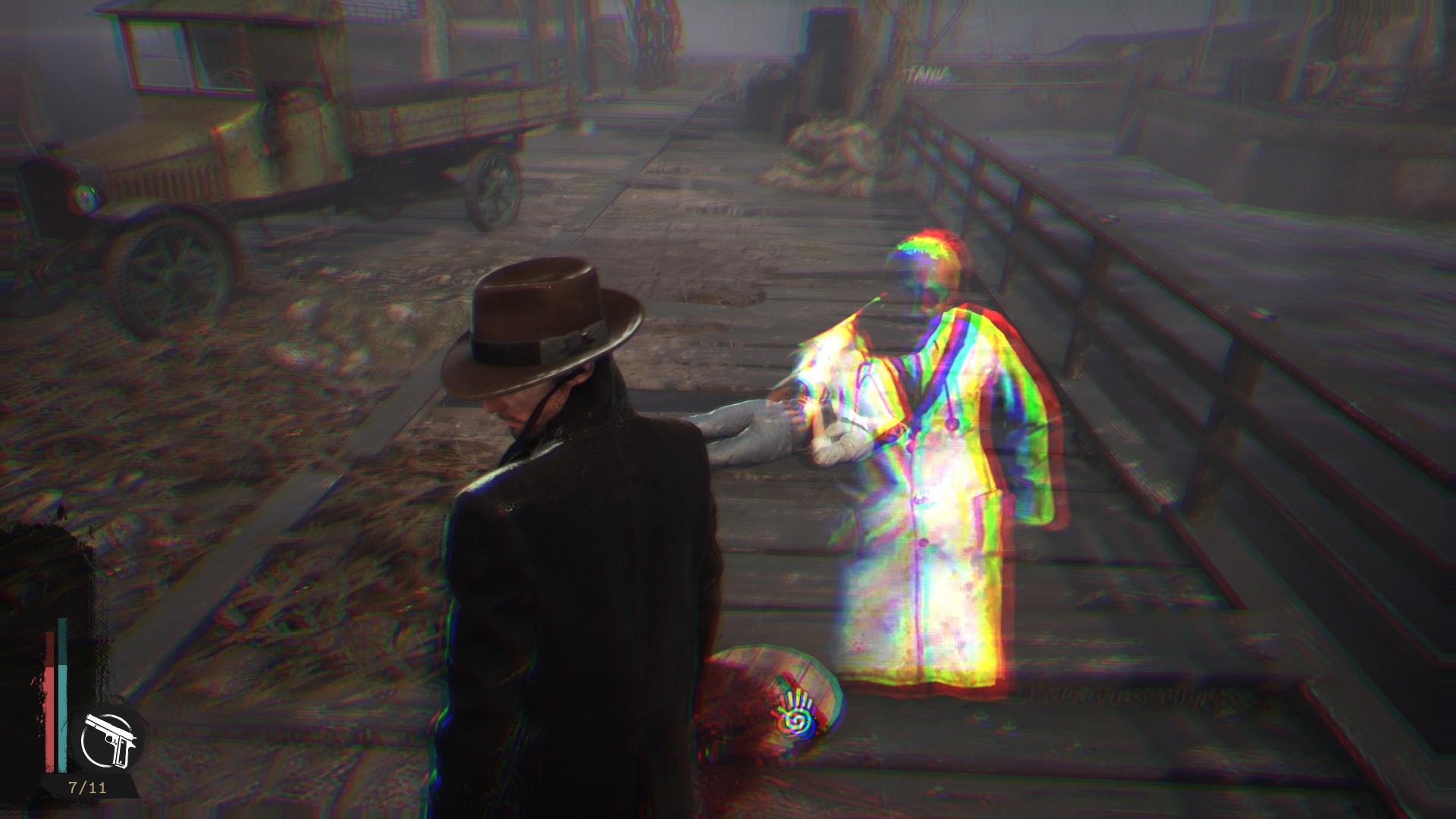
I’ve never seen a game world quite like Oakmont. Decay is everywhere. Half its streets have succumbed to the waters, necessitating traversal by boat. Many buildings still stand but in utter disrepair, the walls and floors ripped apart in places and plagued with damp. A scaly mass chokes the lands surrounding water, while a hazy fog hangs in the air. It all feels like something’s not quite right, underlined by an unnerving ambient soundtrack.
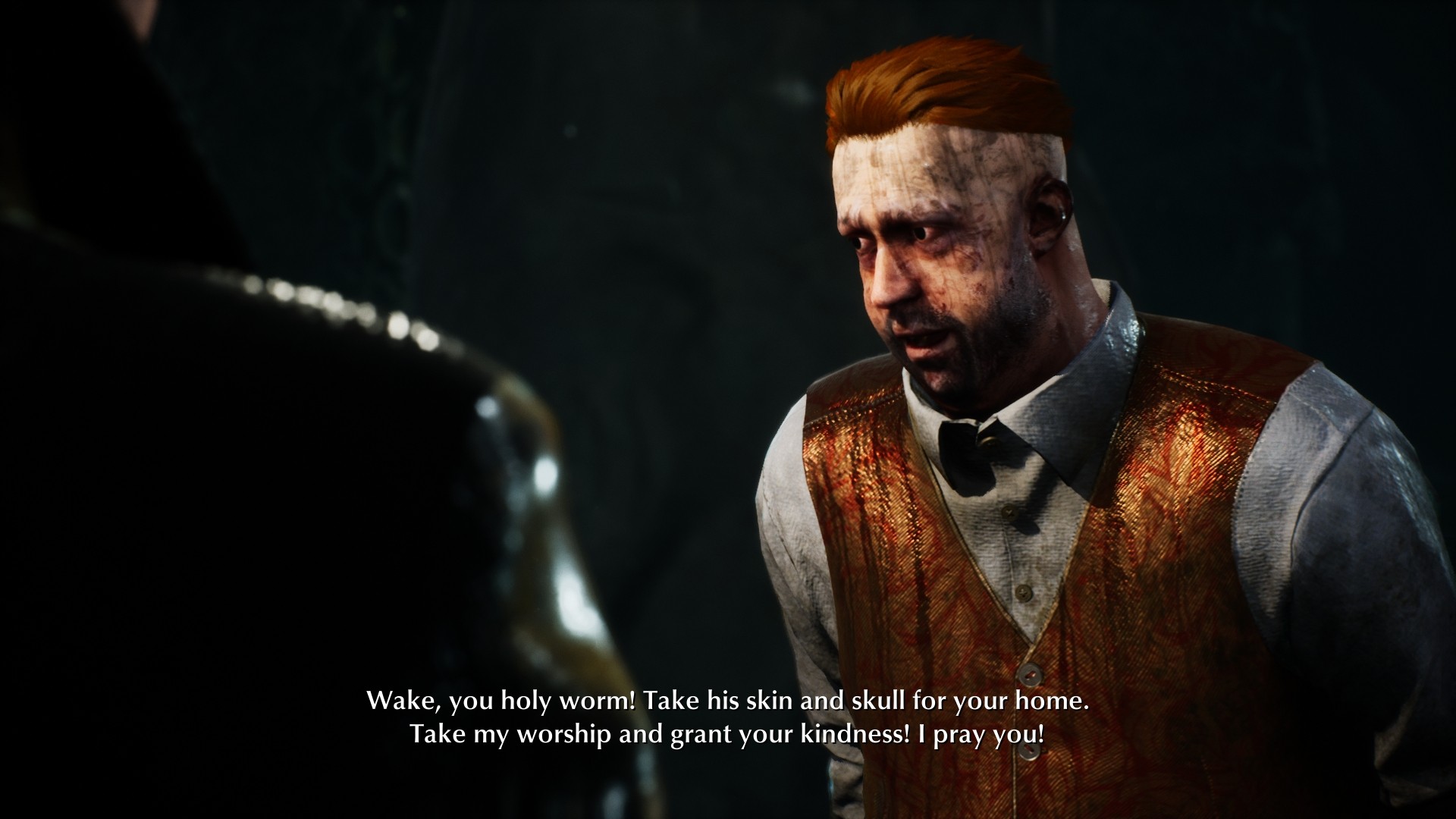
You only need to take a look at its citizens, too. A woman in rags, wildly muttering to herself. A man brazenly hauling a bleeding sack of human remains over his shoulder. A devout cultist, ornate markings on his white robes and tattooed across his body, preaching wild dogma. And that’s just the humans – you’ll also be dealing with an elite family of ape hybrids and a grotesque race of fish-men called Innsmouthers. The Sinking City is not afraid to be weird. Like, really weird.

Unfortunately, this isn’t always implemented in the right way. Character models look downright creepy, and not just in an intentional horror manner, leaning too far in the uncanny valley direction. This applies even to Charles Reed himself. He may be sleep-deprived, sure, but his vein-strangled eyeballs are too ridiculous to take seriously. Not only is the modelling sub-par, it’s also guilty of too much repetition across both civilians and quest NPCs.
Unlike almost every other game from the past ten years, The Sinking City doesn’t make much effort to teach you how to actually play it. The first enemy I faced – the first of many gangly, tentacled mutants called wylebeasts – appeared out of the blue during an otherwise peaceful scene. I had no idea how to equip my weapon or even what the button for ‘attack’ was. And to search a chest or cupboard you have to hold the button down for a couple of seconds, for some reason, otherwise it closes again. I thought it was broken.
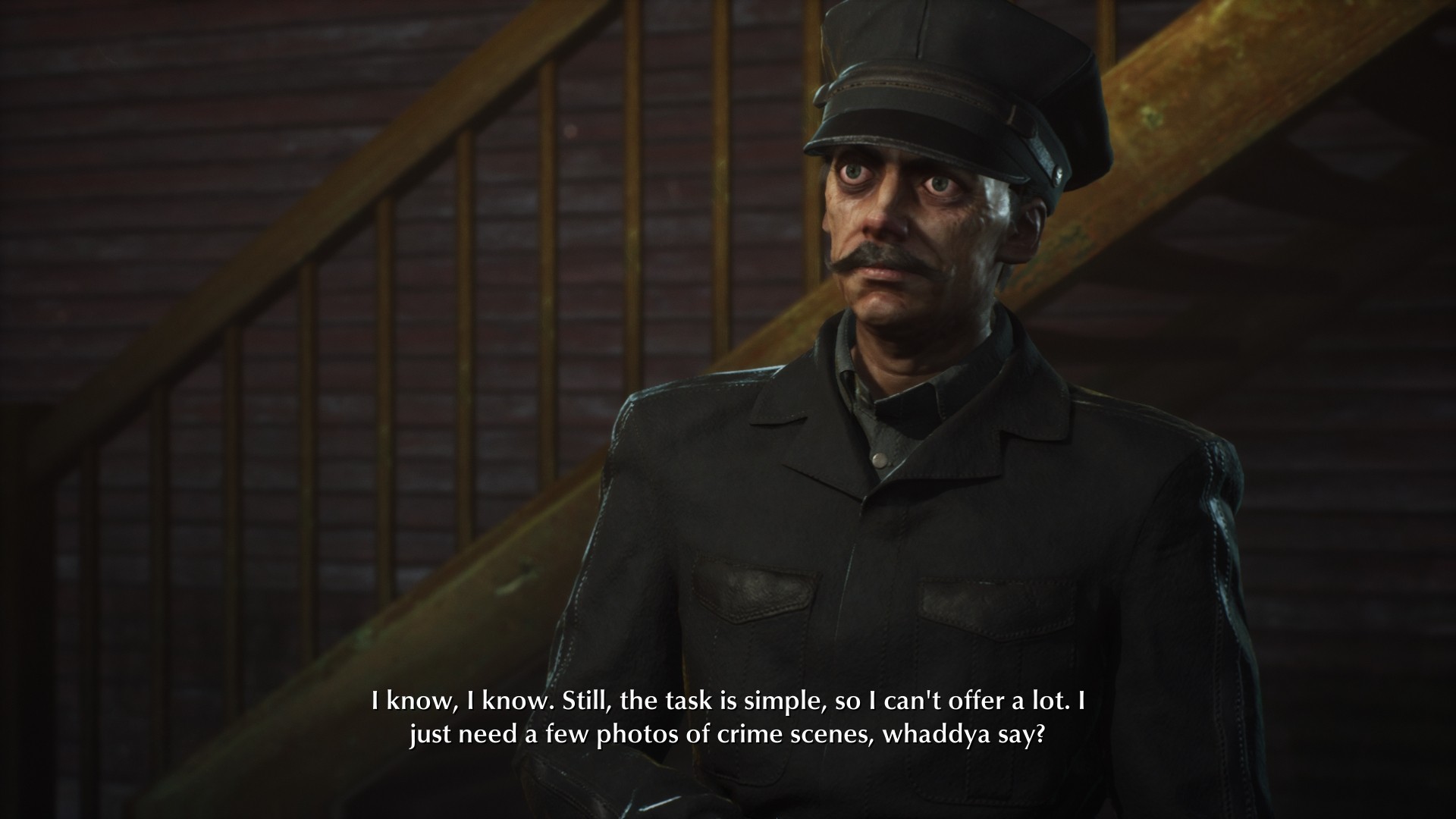
When you get to grips with it, however, there are some interesting ideas that make you feel like a real detective. Search for clues and these are added to your casebook. Some clues give the approximate whereabouts of a location that you can then pin on your map, a mechanic I wish more games used.
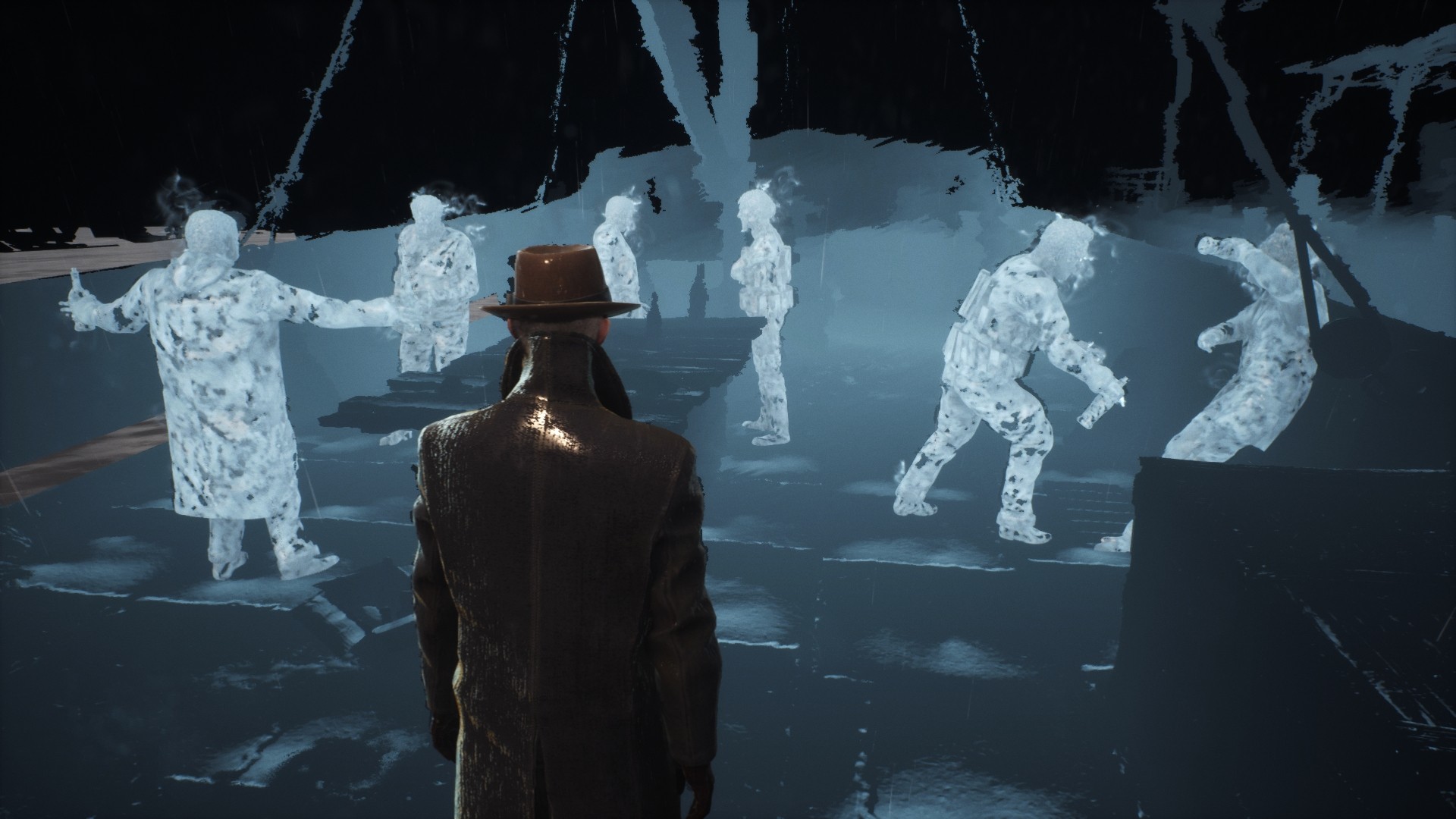
You can access multiple archives around the city, including library records, police crime data and hospital records, to find extra information to further your investigation. And if that wasn’t enough, Charles has a supernatural sense of observation – his ‘Mind’s Eye’ – that lets him detect hidden areas and reconstruct key events of a case in a shadowy apparition. What’s refreshing about all of this investigative work is that you’re rarely directed where to go or what to do – you have to rely on your own initiative.
Once you’ve gathered evidence it’s placed in the bizarrely named ‘Mind Palace.’ From here, you can combine the scraps of knowledge to make deductions. While often a case of just clicking around and hoping for the best, you’re also presented with choices of conclusion to make and how you act upon them.
This leads to some interesting moral decisions. Cases in The Sinking City are rarely black and white once you get to the bottom of them. In one example, I had to choose between siding with a malicious organisation or helping someone to undermine them by murdering people. Yikes.

Though their premise may only be a means to an end, a criticism of the missions is that they get buried within a never-ending loop of carrying out ‘favours.’ A few missions in, I investigated a disappearance as a favour for a main character. To do so I needed to do a favour for someone to get the name of their contact. Their contact needed a favour before they’d help me get to the missing person, however; and the person who’d facilitate me doing that favour needed a favour themselves, before leading me to a crime lord who also needed a favour doing.
While the writing is generally good enough to carry the experience, there are jarring disconnects at times between different threads of a conversation, and the tone in which a dialogue option is spoken to how it’s written. I’m not entirely sure how seriously The Sinking City intended to take itself, either. I couldn’t help but laugh at its absurdity sometimes. But in a weird way, this is all part of the charm.
There are flaws harder to overlook, though. Some design decisions miss the mark, like bullets being the currency of the game. Whilst an interesting and thematically appropriate idea, it’s hampered by an excessively stringent ammo limit. On multiple occasions, I completed a mission but didn’t receive payment because my pockets were full. Likewise, it interrupts the flow of combat when you have to pause and craft some extra bullets because you’ve burned through your two paltry clips.
Combat in general is pretty rough, with clunky controls and AI. In one memorable encounter I had inside a gang’s safehouse, the AI went batshit insane. Enemies angrily stomped around in circles downstairs, seemingly unable to get upstairs to fight me. When I approached the staircase, several men ran up and down it as if trying to hit their Fitbit 10,000 daily steps. One guy just stood there with his gun pointed at a punching bag. It was wild.

There are short-but-not-so-sweet underwater diving sections, too. These clunky trudges around the dimly-lit sea bottom see you getting hurt by light geyser blasts and struggling to step over even small ridges, for some reason. Sometimes there’ll be sea creatures to fight with ineffectual harpoon gun and flares, like firing Nerf guns into the wind.
A few technical gremlins rear their heads from time to time. Objects and people regularly flicker around, pop into existence or disappear at random. And while it could have just been my pre-release build or a machine-specific issue, I experienced noticeable video tearing despite having V-sync turned on.
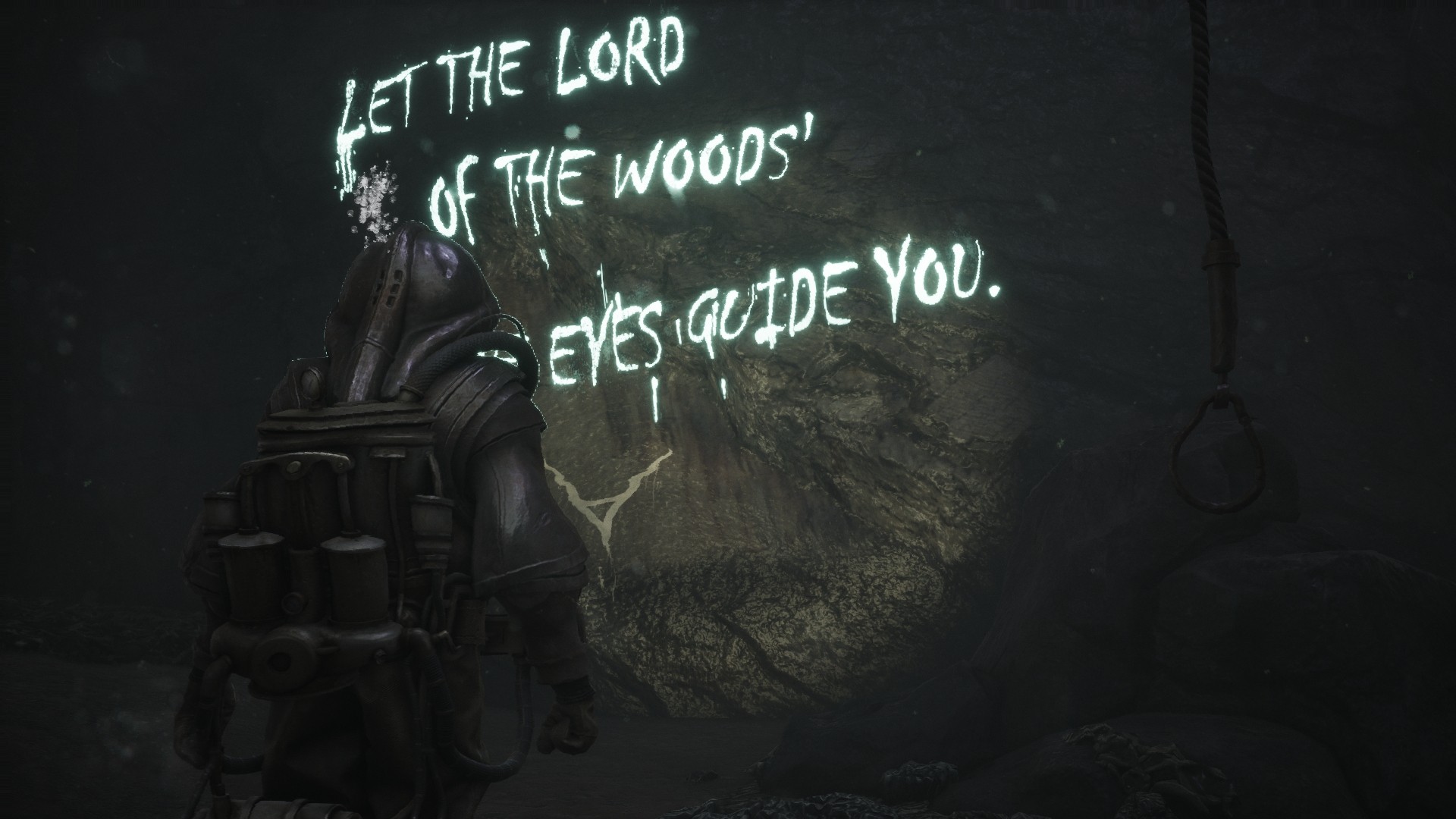
And yet, despite a laundry list of foibles, quirks and missed opportunities, I genuinely enjoyed my time with The Sinking City. It’s a fascinating place to be enveloped in, feeling entirely original despite its strong Lovecraftian influences. Iffy character models and animation aside, it looks bloody great too, the eye-watering lighting and weather effects bringing Oakmont to life in gloomy splendour.
It’s clear The Sinking City tries to punch its weight with triple-A’s but overstretches itself. The fundamental lack of polish is problematic in light of its blockbuster RRP. But if nothing else, I feel it has the makings of a new cult classic.
[Reviewed on PC]