
Top 7 Indie Tactical Role-Playing Games
Fall into deep grid-based tactics, unique fantasy worlds, and boundless charm with these indie gems.
It’s midsummer, that menacing yellow orb in the sky is warming poorly-ventilated apartments around the globe, and you’re endlessly scrolling Steam’s catalogue wondering what to buy during its annual Summer Sale. You’re also eagerly anticipating the innovative-seeming, series-redefining Fire Emblem: Three Houses releasing at the end of the month—if you’re not pumped, get pumped and start obsessively checking updates, because it’s looking to be a lovely cross between traditional Fire Emblem and Persona.
You’re in luck, because this list celebrates all things Fire Emblem, XCOM, and Final Fantasy Tactics by presenting seven indie tactics RPGs that radically reinvent the established formulas of those genre giants. Now’s the perfect time to snatch up these indie darlings.
7. Farabel
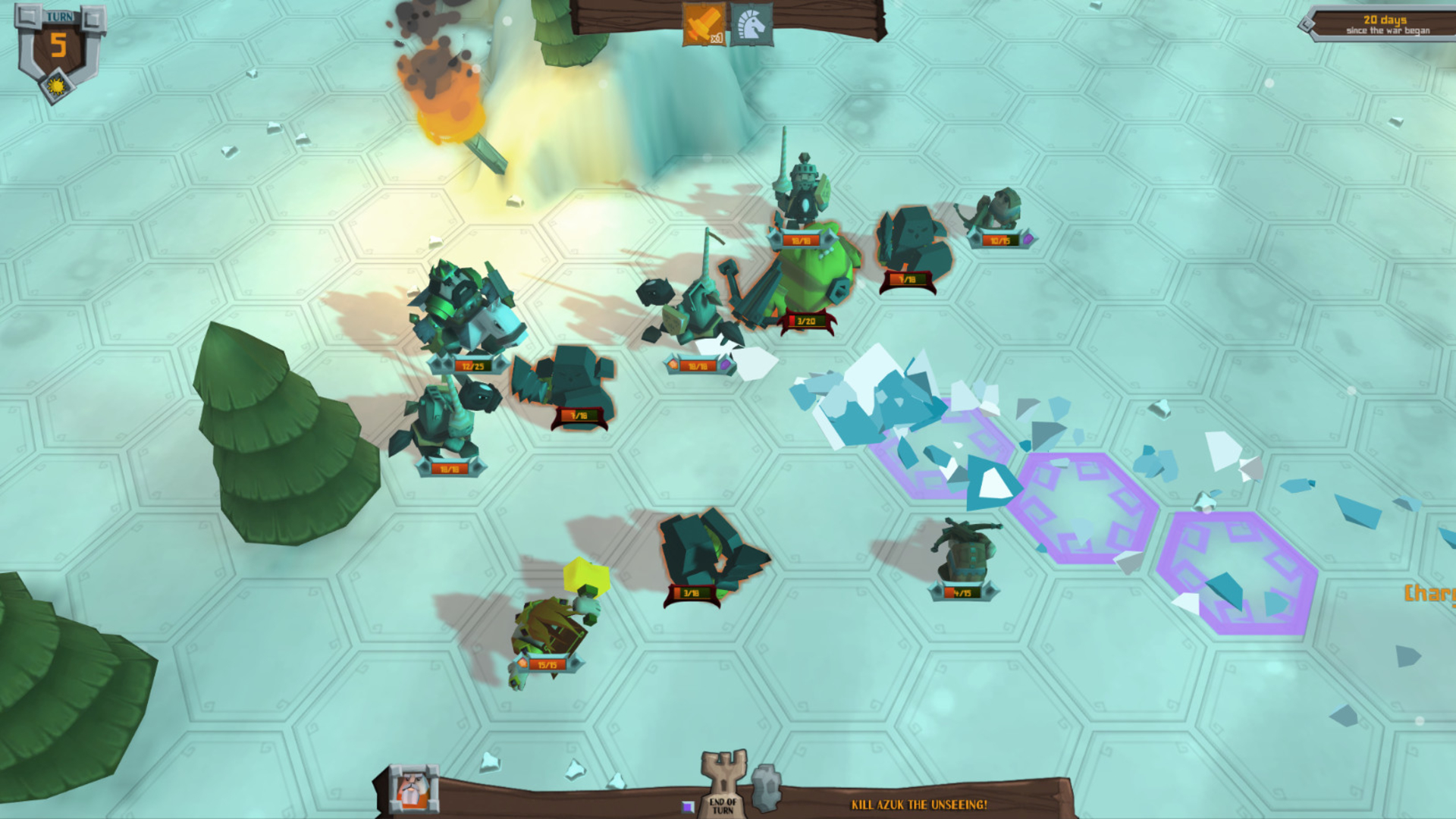
If you’re a Fire Emblem fan, you might know that the series struggles to effectively pace its late-game combat encounters. Early skirmishes tend to be well-designed and appropriately challenging, but as your units grow stronger, the games often fail to effectively scale the encounters while ensuring that players who have lost units to permadeath can still complete the game.
In comes Farabel, a game that ostensibly seeks to counter that cycle by beginning its game at the end, using time-travel mechanics to progress backwards. In practice, Farabel’s interesting premise is underutilized, and the game progresses similarly to other tactics RPG titles. However, its charm often shines through, especially in its awkwardly blocky and stout but surprisingly cute characters.
Farabel’s story is largely unimportant, overshadowed by its tactics combat as it contains a variety of modes other than its narrative campaign that provide new and interesting challenges. If you enjoy the puzzles of tactics-based RPG combat, Farabel has plenty new to offer you.
6. Fell Seal: Arbiter’s Mark

Fell Seal: Arbiter’s Mark, a mouthful of a title, casts an admiring glance at Final Fantasy Tactics and its lineage of tactics RPGs. Fell Seal’s flattery becomes its greatest weakness and strength, as it’s unwilling to deviate from Final Fantasy Tactics’ structure in any major ways. Its combat is a refined but simple imitation of Final Fantasy Tactics, keeping the flaws of its predecessor, such as the slow-paced battles with rather limited opportunities for more advanced or deep tactical maneuvering.
However, Fell Seal also retains Final Fantasy Tactics’ addictive and rewarding gameplay loop. Fell Seal is a thorough love letter to its inspirations, but those inspirations were pleasurable and beloved for a reason. Sometimes a new coat of paint is all you need for a good time.
5. Chroma Squad
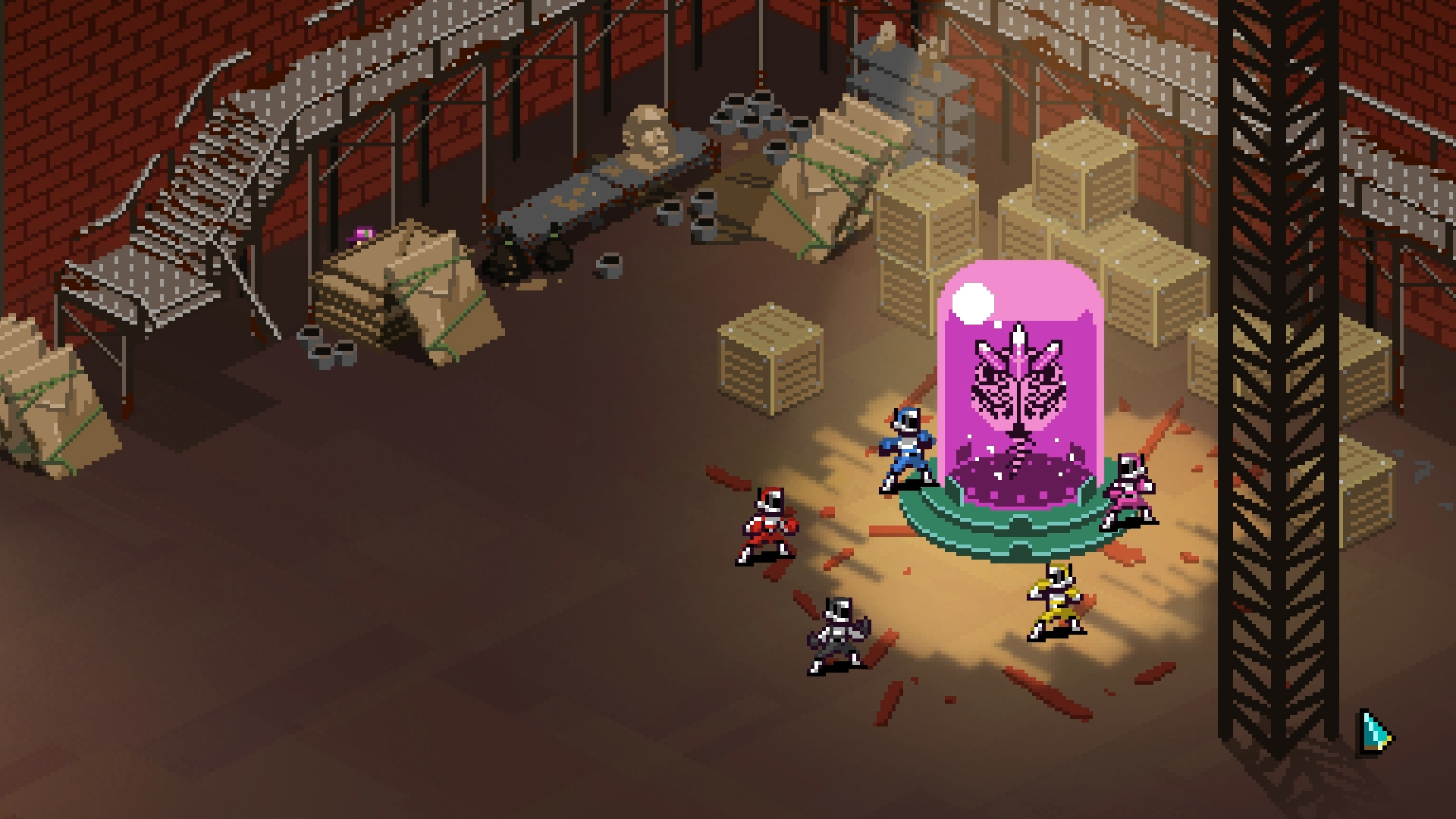
Chroma Squad is fun. It has the most POW-BAM, Saturday morning cartoon action of the games on this list, and that makes it all the better, because it knows exactly what it wants and successfully delivers that experience. If its goofy, brilliantly bright announcement trailer complete with catchy anime theme song doesn’t convince you to check it out, this write up certainly can’t. But if you’ve just watched that explosion (literally) of pixelated color and you’re interested, I’ll try to sell you more.
You’re a Power Ranger. Well, you produce a Power Rangers-esque TV show which entails choreographing extravagant fights between a cast of suited-up actors and alien villains of the week through tactics-based RPG combat. You utilise fancy superpowers and special moves while occasionally taking the form of a giant mech. If you’re still not sold, Chroma Squad must not be for you.
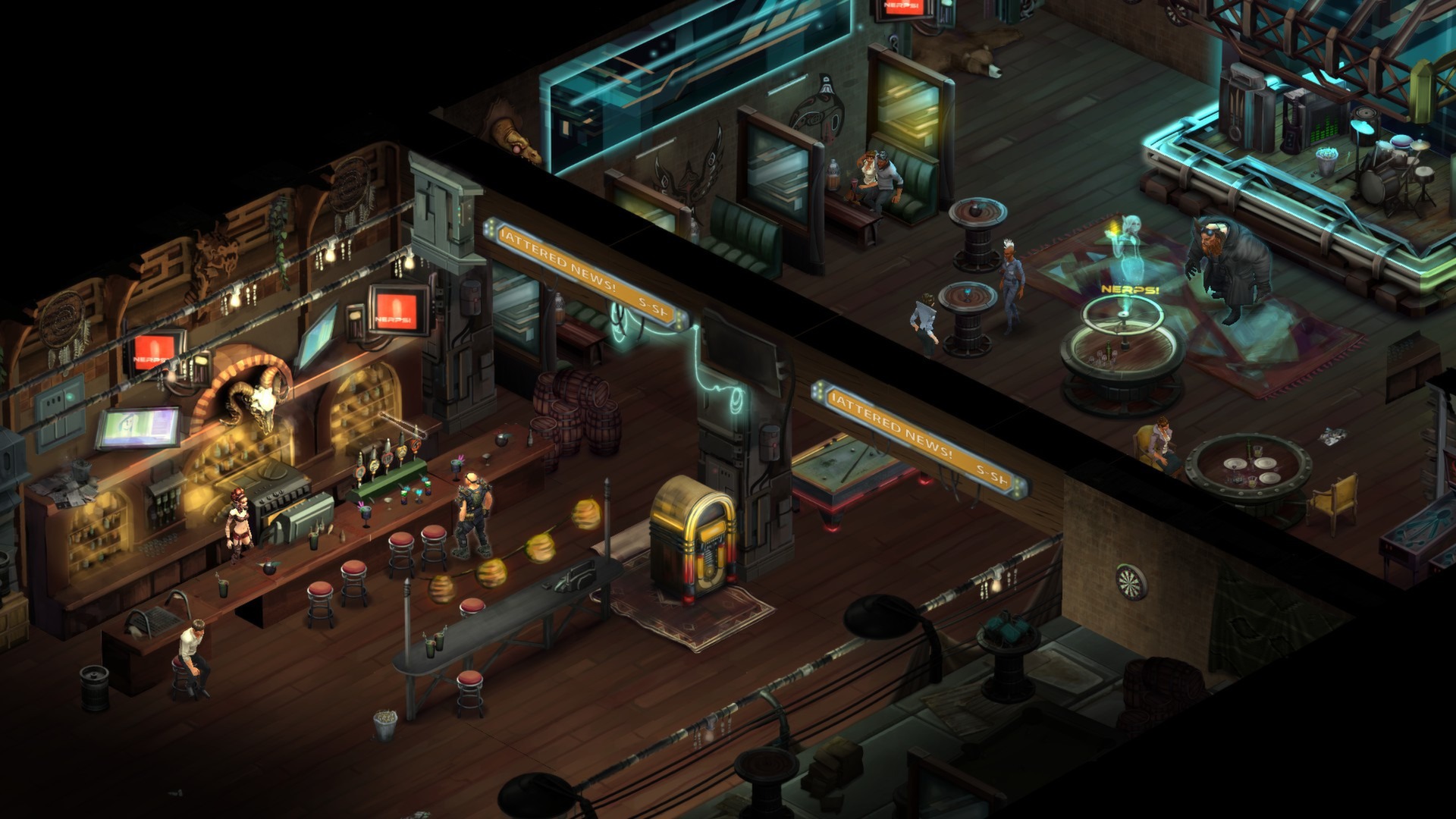
4. Shadowrun Returns (Dragonfall / Hong Kong)
It makes sense that Shadowrun Returns would draw inspiration for its combat system from the mechanics established in XCOM: Enemy Unknown; both titles reinvented their respective classic video game roots with resounding success. While Shadowrun certainly didn’t receive the rapturous reception of XCOM—and perhaps it’s unfair to compare the two too heavily—Shadowrun was met with praise from a variety of critics.
Its combat manages to provide a level of depth that reflects its pen and paper inspirations, and the various classes and abilities in Shadowrun Returns feel meaningfully different. Though the brevity of its narrative, and the narratives of the Dragonfall and Hong Kong scenarios that followed it, affect those narratives’ effectiveness, they’re each solid choices for fans of tactics RPGs.
3. Massive Chalice
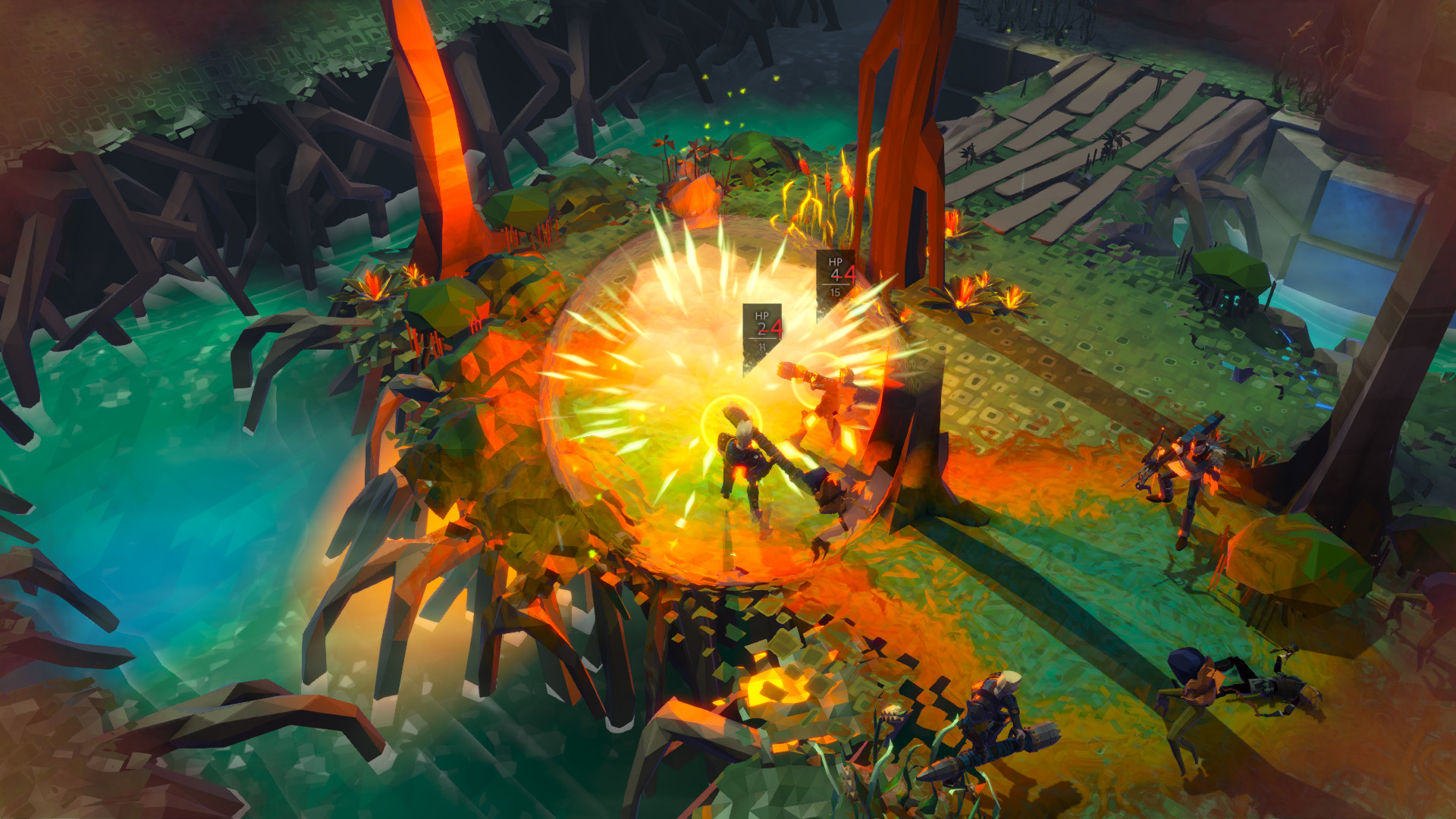
Double Fine’s Massive Chalice plays much like XCOM: Enemy Unknown—battles operate virtually identically—but time passes in years instead of days. That simple idea facilitates an array of accompanying mechanics, the most interesting of which is the management of bloodlines through strategic marrying of units. Because time passes in years, Massive Chalice’s heroes age and die rather quickly, rarely making it through more than a few battles before their mid-sixties.
In this way, unlike XCOM, Massive Chalice places less emphasis on individual units, and players instead grow attached to specific lineages. This makes Massive Chalice much less frustrating and save-scum-inducing than XCOM and provides more variety to combat, because the player’s roster of heroes is continually updated as heroes die naturally and their children come of age.
In addition, Massive Chalice is delightfully inclusive: first, same-sex heroes that can’t produce heirs can adopt children, and second, the game’s mechanics defy ageist stereotypes as fifty and sixty-year old heroes often make up your army’s ranks. It’s unexpectedly pleasurable to watch heroes age, wrinkling, graying, growing longer and longer beards, and Double Fine’s characteristic wit provides the perfect garnish to a meal of a game.
2. Telepath Tactics
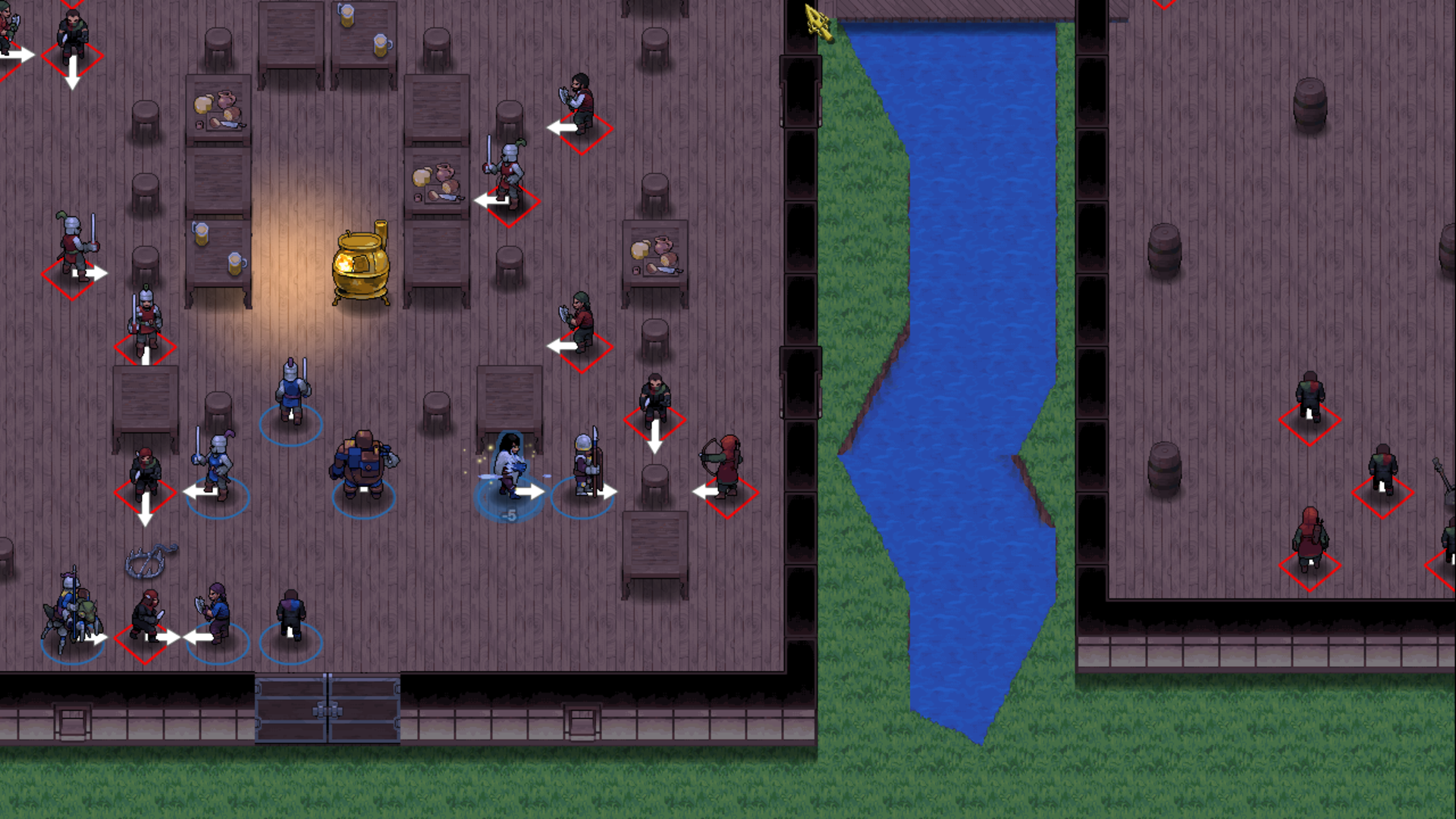
Unbeknownst to you, this whole list is an elaborate ploy to get to discuss Sinister Design’s underappreciated Telepath Tactics, the latest title in the Telepath RPG series that began with a flash game in 2007. Since said flash game, the series has grown in scope and sophistication with each title while building on the intricate world established in that first entry.
The Telepath RPG series takes place in a relatively nuanced fantasy world in which telepathy/telekinesis replaces the role traditionally associated with magic in such settings. Its world is also filled with unique races/beings like lizards, golems, and shadowlings—floating orbs of ethereal gas that frequently enslave humans. The latest title, Telepath Tactics, has a deep array of classes, some of which connect to the aforementioned races, that each offer unique strategic opportunities. In fact, it’s impossible to fully utilize all of the classes on a single playthrough, because almost every character in the game has a different class.
That depth extends to its battles more broadly. Unlike other titles like Fire Emblem and Final Fantasy Tactics, Telepath Tactics encourages players to manipulate the terrain with classes that can create and destroy terrain as well as abilities that push enemy units onto less ideal or dangerous terrain. It provides players a breadth of possibilities to approach its problems, all of which feel immensely satisfying to enact.
1. The Banner Saga Trilogy

You’ve more than likely heard about Stoic Studio’s The Banner Saga series before now. So much has been written about The Banner Saga series—even here on TIGW—that’s it’s difficult to find new things to say. Obviously, its story-book, classic-Disney visual aesthetic is gorgeous, especially in motion: its 2D animation is some of the finest around. Obviously, its storytelling and world-building are massively accomplished.
From the opening minutes of the first installment, The Banner Saga captivates players with a world in which the sun has stopped in the sky and continues fascinating from there. It’s hard to make fantasy worlds feel as warm and lived-in while simultaneously cold and desolate as The Banner Saga’s Nordic-inspired wasteland. The tale of its trilogy is epic and poetically told, its hard choices often requiring long reflection, though the games sometimes punish players for choices that are based on little information.
Even its combat, the reason it’s on this list, revises standard tactics RPG mechanics. Its battles are deceptively simple yet incredibly complex, usually resulting in an early shock for new players. Ultimately, the three titles of The Banner Saga trilogy are some of the best games (independent or otherwise) to be released in the last ten years.
If your knuckles are clenched in anticipation for the latest Fire Emblem adventure, hop on Steam and gobble up some delicious deals. These indies got you.