
The Power of Personal Expression in Indie Games
This time it’s personal.
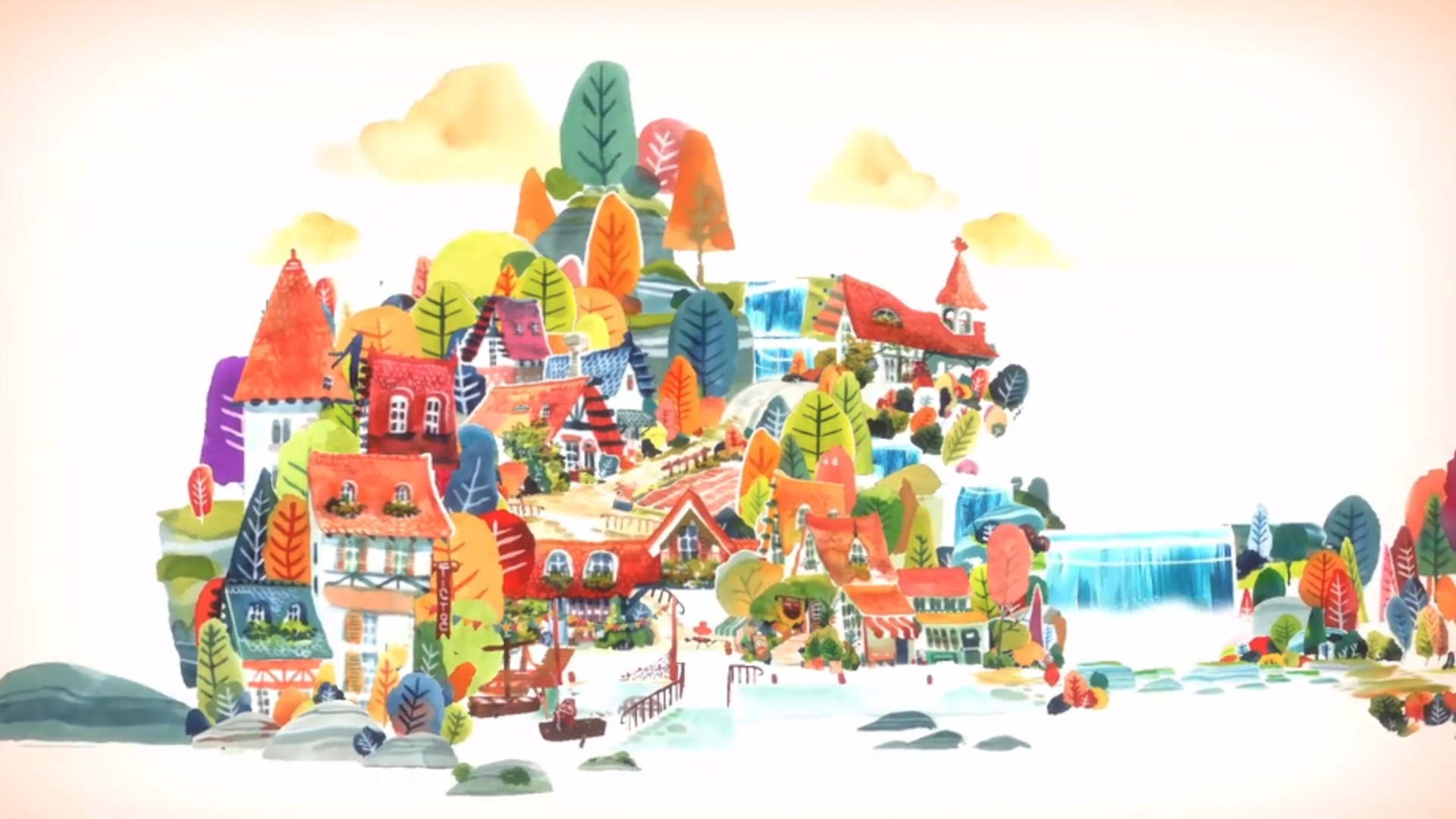
“I think everyone should try and make a game at some point,” says developer Marina Díez at London’s EGX trade show last month. “I think game development can work as a kind of therapy. As human beings, we are made for telling stories, which video games can do very well.”
Díez is currently working at Un je ne sais quoi, a French developer releasing its first game, Mr Tic Toc and the Endless City. She started creating games after encouragement from her mother. “I originally laughed because I thought it was impossible, but then the seed was planted in my mind and I gave it a go. I researched game design courses, but they were so expensive, and the timetable wasn’t appropriate to combine with a part-time job.” Situated in Spain at the time, Díez instead set her sights on the UK and secured a course at Brunel University London.
She has also worked as an operations coordinator for charity organisation GamesAid and is the founder of Terebi Magazine, a Spanish publication run by women for women. With a background in languages – an area that goes a long way in understanding other cultures – Díez uses every ounce of her experiences to create her games. Many of them are available to play on itch.io, with a key focus on telling stories which explore personal emotions and social situations. “In the games industry we’re very focused on mechanics and how it feels to play, and when I was on my course, I realised that a mechanic can be anything. It doesn’t have to be shooting or jumping. It can be other things too, which led to explore the more personal side of games development.”
When it comes to the way Triple-A games handle these personal themes compared to the indie scene, Díez blames a lack of personal expression on one simple thing: money. “Indie studios are able to have more creative freedom which is why they are able to present these themes, while a Triple-A is more focused on commercialised stories that appeal to a wider range of players. But as we saw with successful games like Hellblade, I think it’s possible to sell loads of copies while still using these topics,” Díez explains.
Kinmoku’s Lucy Blundell suggests that indies tend to be better at telling these stories because they have fewer people working on each project. “It’s unlikely for a Double-A or Triple-A game to tell a personal or intimate story, since so many people make it – but an indie developer is free to tell their story as it is. They can express genuine, raw, uncut emotions, and even sacrifice traditional elements of a video game to do so, which larger studios would consider too risky.”
Blundell is the one-woman-force behind Kinmoku. In 2016, she released a visual novel called One Night Stand, a game that puts players into the role of a man waking up in bed with a stranger after a drunken night together. By making varied dialogue choices and inspecting numerous things in this woman’s bedroom, players are lead to various outcomes – whether the game ends with an agreement to become friends, or being thrown out onto the street in your pants.
Despite it being an intimate story, Blundell explains how it was not based on any experience of her own. “I haven’t had a one night stand myself, but I’ve had good and bad relationships which I can draw from and use for inspiration. Researching around the topic also helps tremendously. I read a few one night stand stories to see how people reacted in such an awkward situation, which inspired many of the various endings.”
One Night Stand also uses a visual technique called rotoscoping, the method of tracing over live-action footage frame-by-frame to create animation that looks realistic and fluid, while also retaining a hand-drawn aesthetic. Blundell herself was the reference for the main character’s appearance. Despite the story not being one familiar to her, she did find herself inserting parts of her own personality into the character. “For the stranger to feel genuine, I kept her somewhat like myself (emotional, introverted, serious) but exaggerated some of her traits,” Blundell explains. “She’s quicker to express herself, cool, enjoys a drink and is more sociable than myself, and her upbringing, life experiences and hobbies are different from my own.”
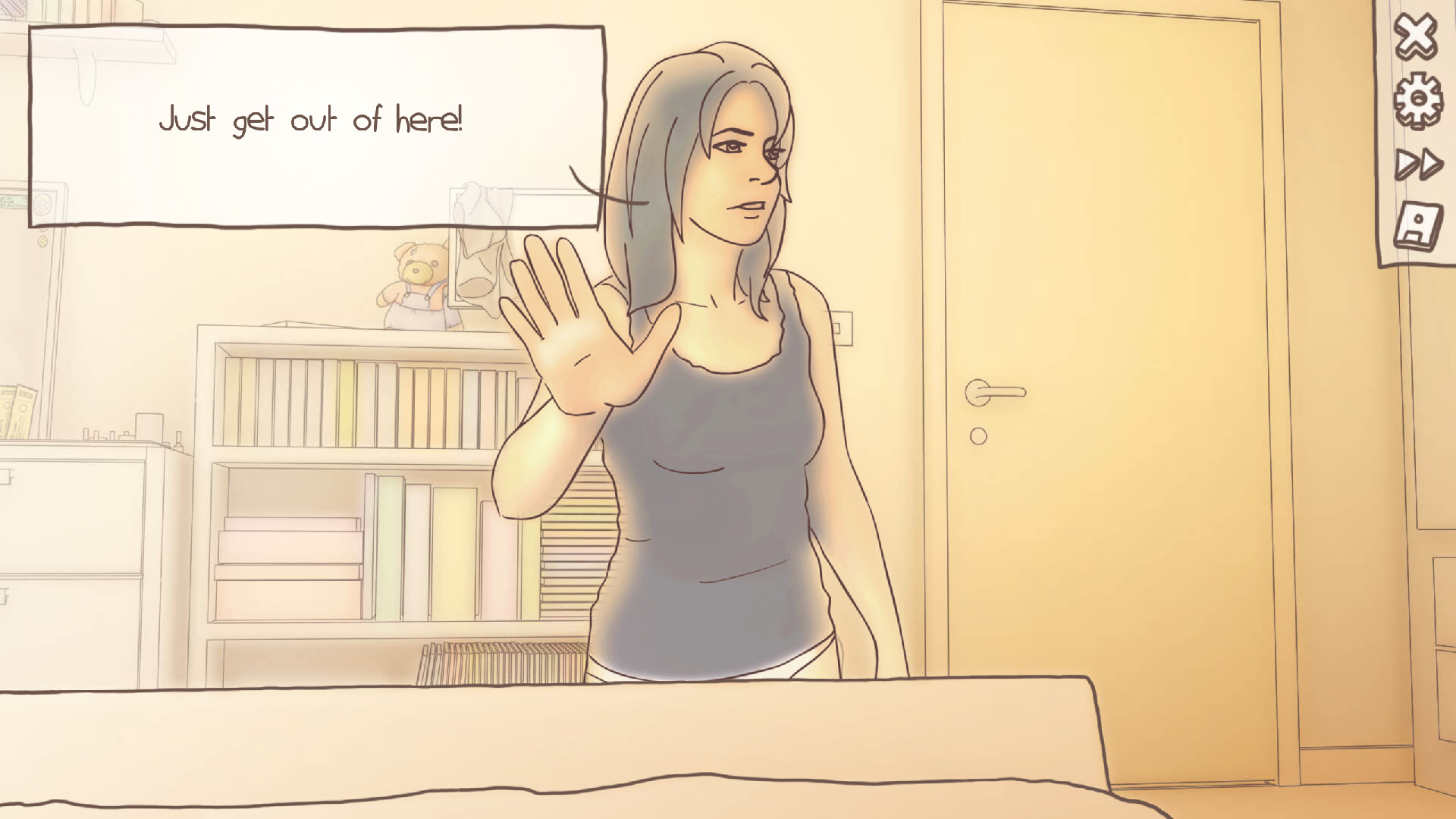
That line between the creator and the character was blurred thanks to Blundell’s choice of art direction. “When I began the rotoscoping process,” Blundell continues, “she became much more like me than planned. I’ve never acted, so it makes sense that using myself as the reference would somewhat skew the character. The stranger had become more polite and shy than the cool, sociable character written, but I leant into the animations as they felt so realistic.”
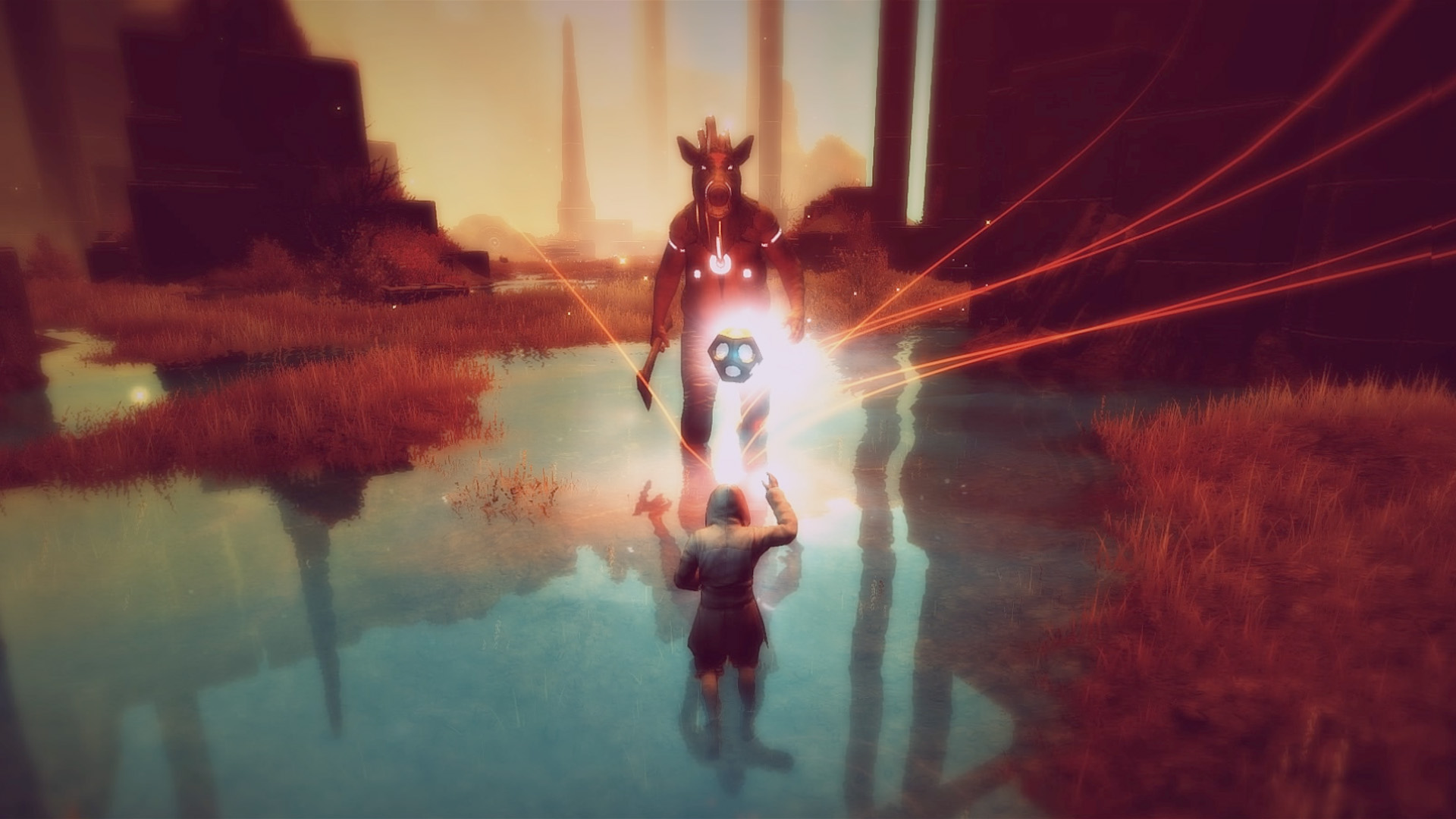
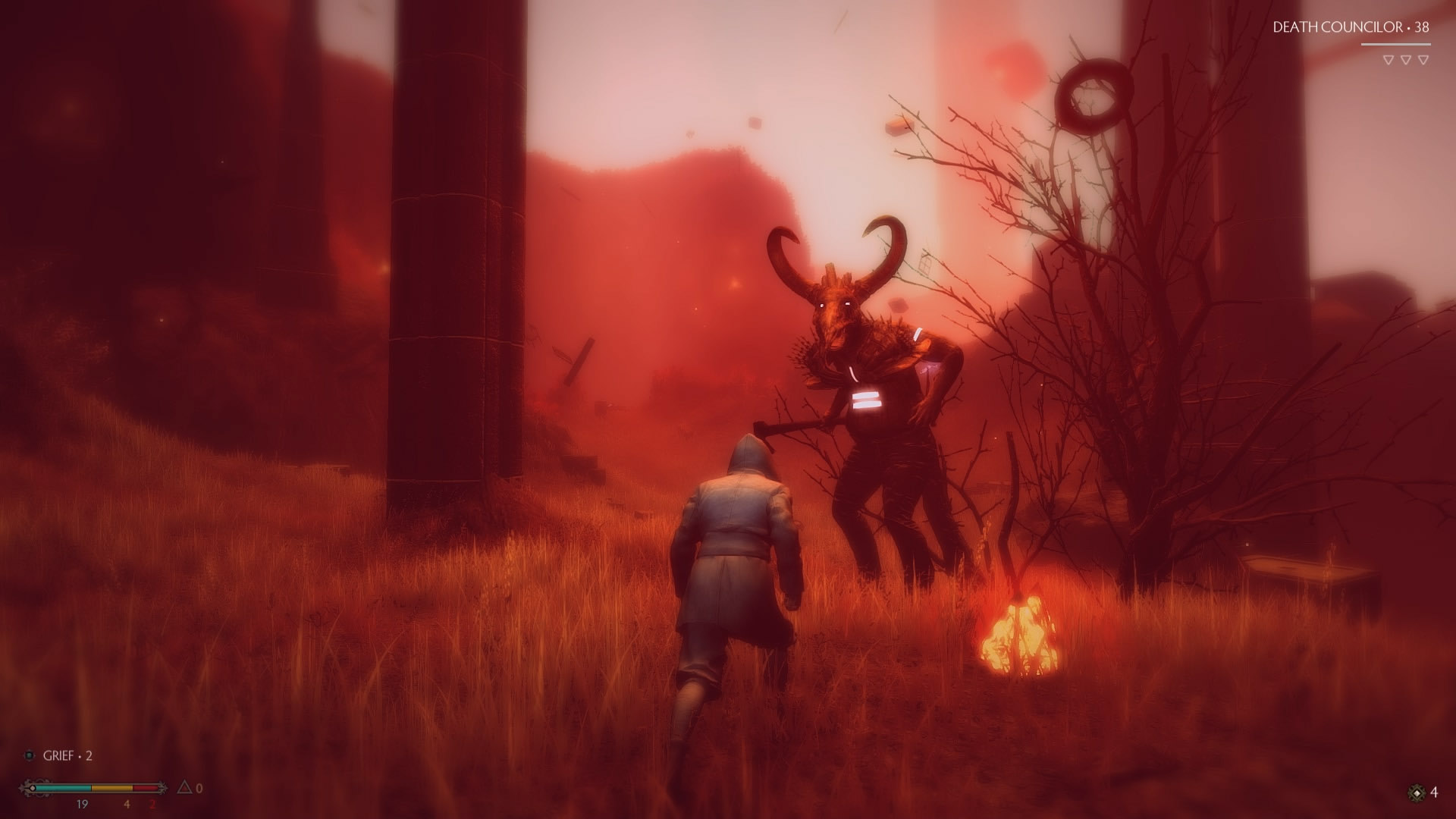
Creators often find that they have inserted aspects of themselves more often than they realise, because of how easy it is to draw on your own experiences. Developer Jason Oda’s creation, too, would come to parallel his own life. Oda is working on Waking, a dark fantasy action RPG where players are trapped in a coma and must reunite with their lost loved ones to escape the clutches of death.
As the story progresses, ethereal beings that take on the form of these loved ones aid you in combat. The main idea of the game is about your fears and struggles becoming manifested as personal demons you need to fight, and the love you hold for the people in your life becomes the tools you use to fight them. “My father and girlfriend passing away happened very late in the development of the game,” Oda tells me. “I did find myself in a way internally playing my own game in that I was trying to hold on to the memories and love given to me by those people.”
“There is a part of the game where you visit the grave of a loved one that the game assumes along the way you lost. Most people perhaps could think of someone important, but up until this year, I don’t think I ever have. Seeing that scene and knowing it was about those recently lost people finally put it into reality for me.”
As you complete an area of Waking, you are lead by an angel through a guided meditation in which you picture memories from your life. In turn, these memories become weapons you can use in fights later. For example, a handful of dirt from your hometown becomes a projectile that hurts enemies, and a ghostly version of the house you grew up in is used as a protective shield.
Oda has found developing Waking to be a deeply therapeutic experience, and one that resulted in a far more meaningful game. “Before my father and girlfriend passed away, my goal was just to make a game that got people to appreciate their lives, remember the beautiful moments from it, and to generally get people to play games in which the payoff was celebrating things that actually mattered. Points or imaginary items or quests being completed are at the end of the day a bit meaningless. I thought that self-exploration was a more meaningful pursuit than all the usual stuff.”

Not only, then, does the personal expression employed in a number of indie games serve their players but they can also act as a form of therapy for their creators. And so we come back to Díez’s suggestion that everybody create at least one game in their lifetime. It’s easy to see how as a developer works long hours on a creative piece so close to their heart, it’s almost inevitable that they will come to learn more about their own emotions and identifications with the topics they are exploring.
Much like how we learn better through teaching, to create something that has to be understood and experienced by someone else requires a complete reconfiguration of how we understand that feeling and experience ourselves, and that process can be incredibly healing. That all comes down to how a developer approaches their work, however.
Blundell, for example, does not consider game development as therapeutic. “It is my full-time job and so it comes with the stress of any other job. There’s a high standard I need to work to so I can exceed people’s expectations, but when you work on a project alone for several years, you can easily get lost and wonder if it’s meaningful. I’d say these feelings are the opposite of therapeutic.”
“For me, self-therapy looks like walking my dog, playing my ukulele, or cooking a tasty meal–something other than making my game. For someone else, I imagine coming home after work and drawing some game art for a couple of hours would feel therapeutic.”
The discrepancy between each creator’s process highlights how complicated game development is. There’s no ‘correct way’ to make a game that tackles these themes, especially in the indiesphere where teams are smaller and there’s a smaller budget. What works well for one person could very well be the opposite case for another. It’s just a case for finding what works right for you.
These games benefit tremendously from the personal expression of their creators. They’re less about profit and more about telling a deeply profound story, something that Triple-A titles struggle with due to their structural emphasis on commercialism, a financial pressure to appeal to as many players as possible. In contrast, the creative freedom afforded to independent developers sits at the heart of how personal expressionism benefits indie games. They’re not just vessels for telling the creators’ own story, but they invite players into that world, to find a bit of themselves in each work. That’s not to say a Triple-A game can’t accomplish the same thing (Death Stranding’s multiplayer functions, for example, are resonating with players across the world), but the smaller the team behind the work, the stronger the identity for players to embody.