
Can Indies Securing A Publisher Be A Double-Edged Sword?
How the industry has progressed beyond a publisher/developer feud… in some places.
Civil wars will always rage within gaming circles, it’s a universal truth. Usually we rail against the ‘other’; PCs if we have a console, Xbox if we have a Playstation, etc. But occasionally we take a more united stance, like the age-old fury directed at the capitalist forces of big-name publishers and the fear of them violating our sacred indie catalogue with yet another cloned sequel cash-grab.
Now, in this, the year 2020 – is this rage still justified? And should we be as afraid, both as gamers and indie developers, of quirks being ruthlessly ironed out by publishers for the sake of a cash injection? Well, instead of backing The Man, as would cause me severe physical pain, I wish to instead offer a less fearful view to a despondent generation.
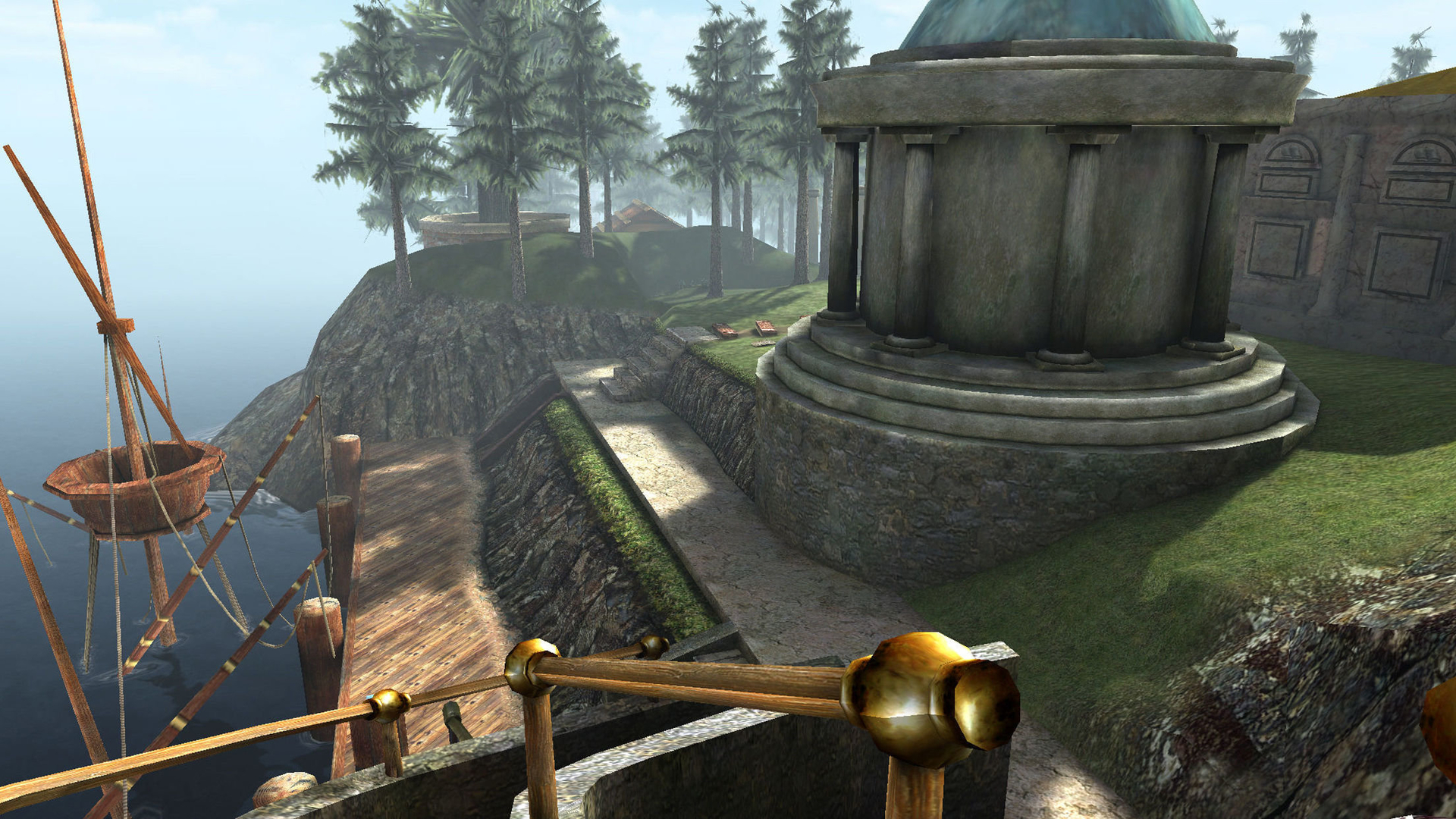
I, like you, have been wronged by corporate gaming structures. One of the defining games of my childhood was the Myst series created by the Miller brothers. The mythos around these all-encompassing, sibling-created worlds is always strong (Runescape, anyone?), but with Myst it was everything to the game. The puzzles, no matter how esoteric, could be understood after a few hours in this world – as you eased yourself into thinking like the Millers. It was as if a dream world had been transplanted, untainted, from someone’s whimsical fantasy.
Painfully, after a trilogy of three gorgeous cultures and worlds to explore, Myst took a turn for the worse. A cash injection from Ubisoft meant that the games pushed for online connection, became disjointed and less story-rich, and the puzzles simplified so that the original vision was compromised. Although 22-year-old me realises the tragic importance of cold hard cash, the younger me was deeply hurt. I no longer felt like I was privy to a private world, but another generic adventure game mimicking the charm of the original trilogy.
As previously mentioned, Runescape had a similar cultural individuality. The integrity of this unique, funny world came from the intertwined minds of siblings, allowing character and distinctive charm to seep from every pore. It was a world that the developers wanted to play in, and the quality reflected this.
The success of OSRS is a testament to how much fans didn’t want the “new improved” version present in Runescape 3. The result of Jagex’s increasing intervention in the name of ‘popularising’ the game was a mass migration, and a surge in support for previous versions. Runescape 3 is an acceptable game – but serves as a simple alternative to WoW or any other MMORPG you care to mention, devoid of the magic that OSRS has in abundance.
That said, OSRS didn’t escape unscathed. It is now possible to pay-to-win, in a way that just wasn’t accepted back in the day. The stringent anti-cheat systems seem redundant now when real money can be used to purchase gold and fraudulent items online. All in the name of popularisation.
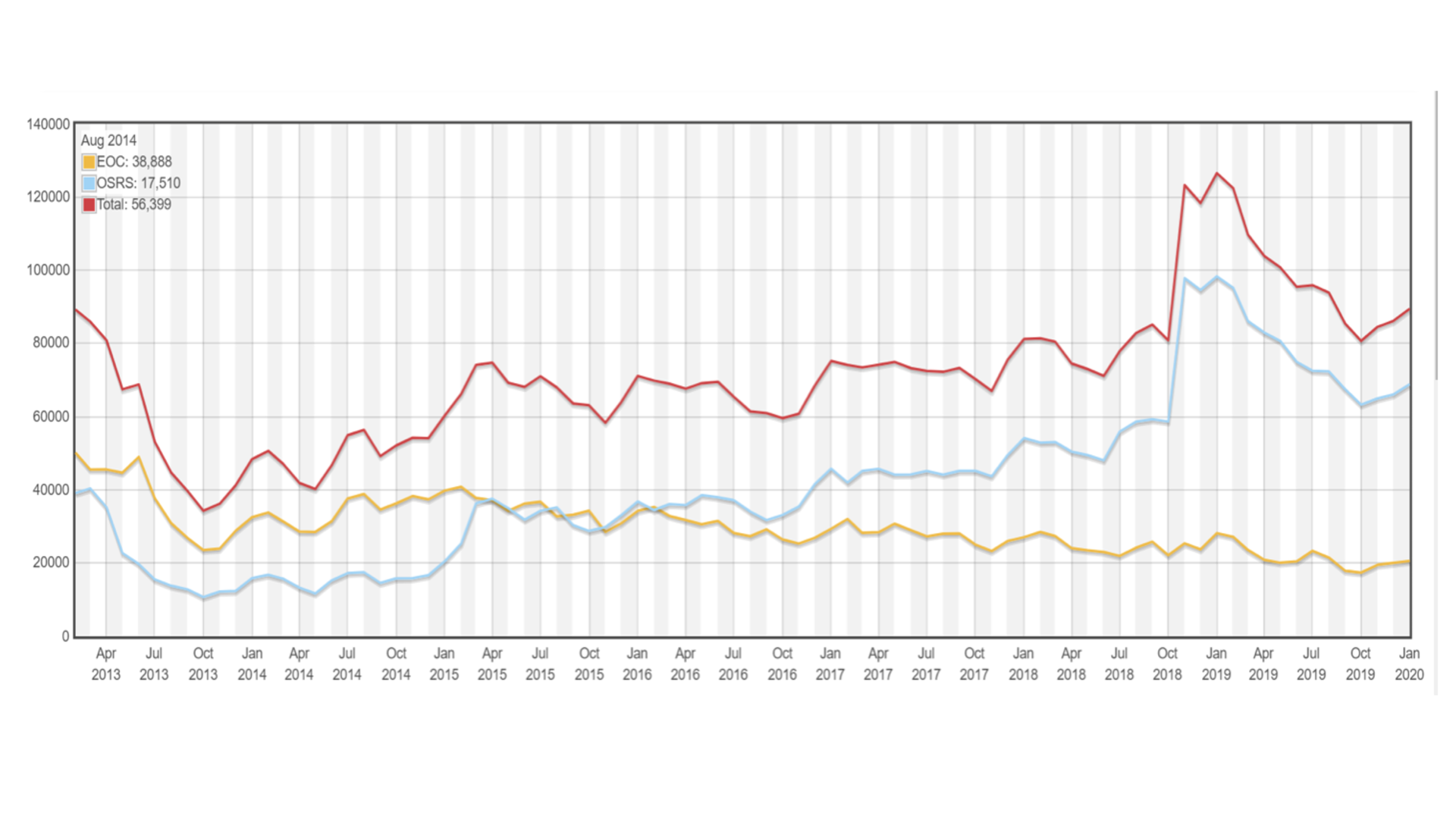
This graph from MisplacedItems shows the general uptick in OSRS players (the blue) compared with Runescape 3 players (the yellow) who are on the decline through multiple plateaus. The sharp rise in OSRS players was due in part to the mobile game’s release, but the Runescape 3 mobile early access release clearly had no impact on the number of players subscribing to its WoW-ified stylings.
It’s unsurprising, really, that we fear our favourite indie franchises ‘selling out’ in this way. But the commercialisation, popularity, and affordability of dev kits and increasingly accessible storefronts may have rendered this an unnecessary anxiety. There seem to be three main changes that contribute to this cultural shift: Firstly, that indie game developers are no longer such a privileged few; secondly, that corporations have actively embraced the ethos of the ‘commercial indie,’; and finally, the AA games market has been absorbed by the increasing budget and quality of indie games.
With games design courses being offered at universities around the world, and dev kits available for next-day delivery online, the avenue of indie games is open to a far wider clientele than ever before. People can work full-time jobs and code their way to notoriety on the weekends, kids can – for some reason – casually make games where Shrek chases you through the woods, and rudimentary video games have been utilised by schools and workplaces. Technology has advanced to the point where developing an indie game with the graphics of a AAA game is pretty much possible, and usually with a stronger story to boot. What’s more, these games are instantly marketable, with publishing deals no longer necessary.
Microsoft’s sharp U-turn regarding indie titles seems to be serving them well, bringing up the rear of a charge led by the Nintendo Switch and PC storefronts. Steam has long had a vibrant underbelly of both incredible and downright horrendous indie games, and so-called ‘YouTube fodder’ tends to revolve around these smaller games.
The benefit of indie for the bigger companies is that they can sign off on all responsibility, whilst reaping the benefits of successful entries. When you think of Braid, you think of Xbox. These companies have directly benefitted from their encouragement of indies, without any of the stress of assessing a game’s marketability prior to publishing.
The big-budget appearance, value for money, and creative problem solving of many indie games mean that the AA games market has been swallowed up in part. Of course, the market will always be there for AAA, but indie games continually draw on the expertise and creativity of their developers to craft something tangibly unique. We can often draw a more emotional connection from the risks that indie devs make in their games for the sake of artistic fluency, for example.
Indie developers must still be wary, however. The tale of Fez should be enough to deter some. Trying to Icarus your way to video game infamy won’t work here, and you must choose your allies carefully. Now that the commercial market is there for risk-taking, creatively liberated indie games, developers must not let their guard down too quickly. The big corporations are often not your friends, but the tables have turned – they need you more than you need them, so know where you stand, and champion your games on a wave of exceptionality.