
Mario Maker 2 Could Inspire The Next Generation Of Indie Developers
Video games are setting kids up for the future workplace.

I was 13 when WarioWare DIY released for the Nintendo DS. I would spend days creating the perfect minigames, crafting pixel art as well as any early teen could on a tiny DS lower screen, and releasing my own symphonies as backing tracks for each level. I was also playing with conditional logic, loops, events, and variables. I was coding, but nobody told me that.
I loved that creative freedom, and the challenges and computational thinking required to create Game Of The Year-worthy minigames surrounding the defeat of various teachers and monsters. Nevertheless, I quickly forgot about WarioWare DIY, brushed it off as a gameplay mechanic I really enjoyed and left it at that. Looking back now, if someone had told me that those thought processes and that creative spark were a possible career choice, that passion probably wouldn’t have died with my black DS Lite.
It wasn’t until my attention was turned to coding education that I realised my mistake in laying down my stylus. Coding has been gradually entering IT classrooms for years now, and educators are starting to turn their attention to more creative methods of instilling a passion for programming in the next generation of computer scientists. Kids don’t want to write a program that checks if 2+2 = 4. They want to make games.
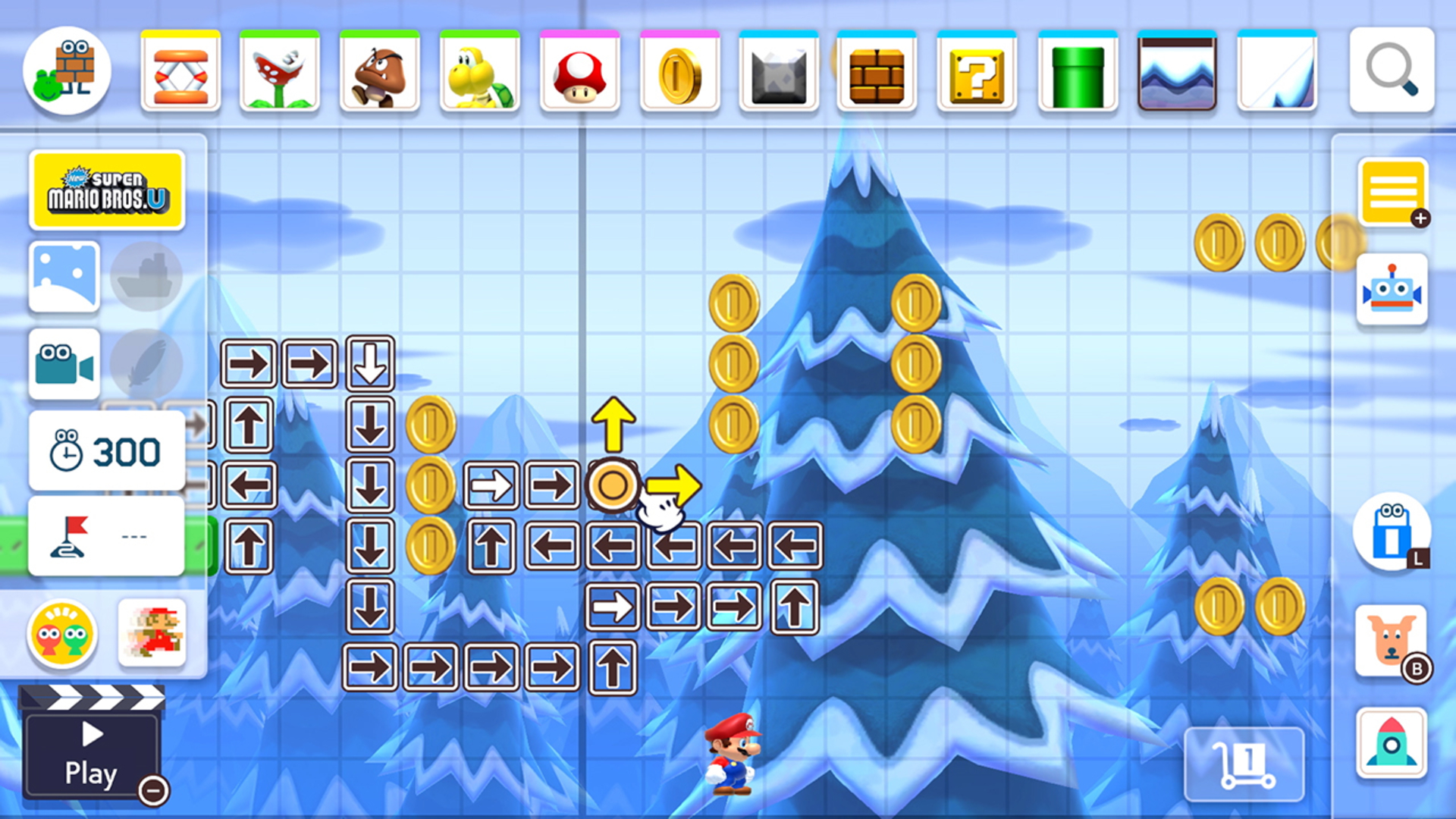
So when Chris Totten started to share his level design tips for Mario Maker 2 over Twitter on the game’s release, my heart was warmed. Here were established names taking the time to share their wisdom with their communities, all in the name of their love for their medium. There’s so much to learn from Chris, as evidenced in his thread, but also from Takashi Tezuka who chimed in with some of his Nintendo own-brand tips.
I realised that sitting in the hands of kids (and adults) all over the world was a powerful tool for inspiring the next generation of indie developers and computer scientists. If we continue to nurture this passion, feed it with our own wisdom and ideas, and most importantly, keep it within the realm of the video game, who knows what the industry can achieve by the time these little mites get their first paycheck.
Many indie developers today have described their origin stories through the early games they played as kids. It was these formative experiences that sparked that passion, but games themselves didn’t do all the work. Some of the biggest names in the industry – independent and triple-A – cut their teeth on old tech. BASIC tech. Learning BASIC to run their games and curiously dabble in the underworld of their own computers taught these developers to innovate, to push the boundaries, to code.
We’re beyond BASIC now. We’re beyond having to manually write out a game before you play it, but we’ve arguably also lost that spark. Thankfully, we have something new in our toolbelt ready to inspire the next generation of developers – games themselves.
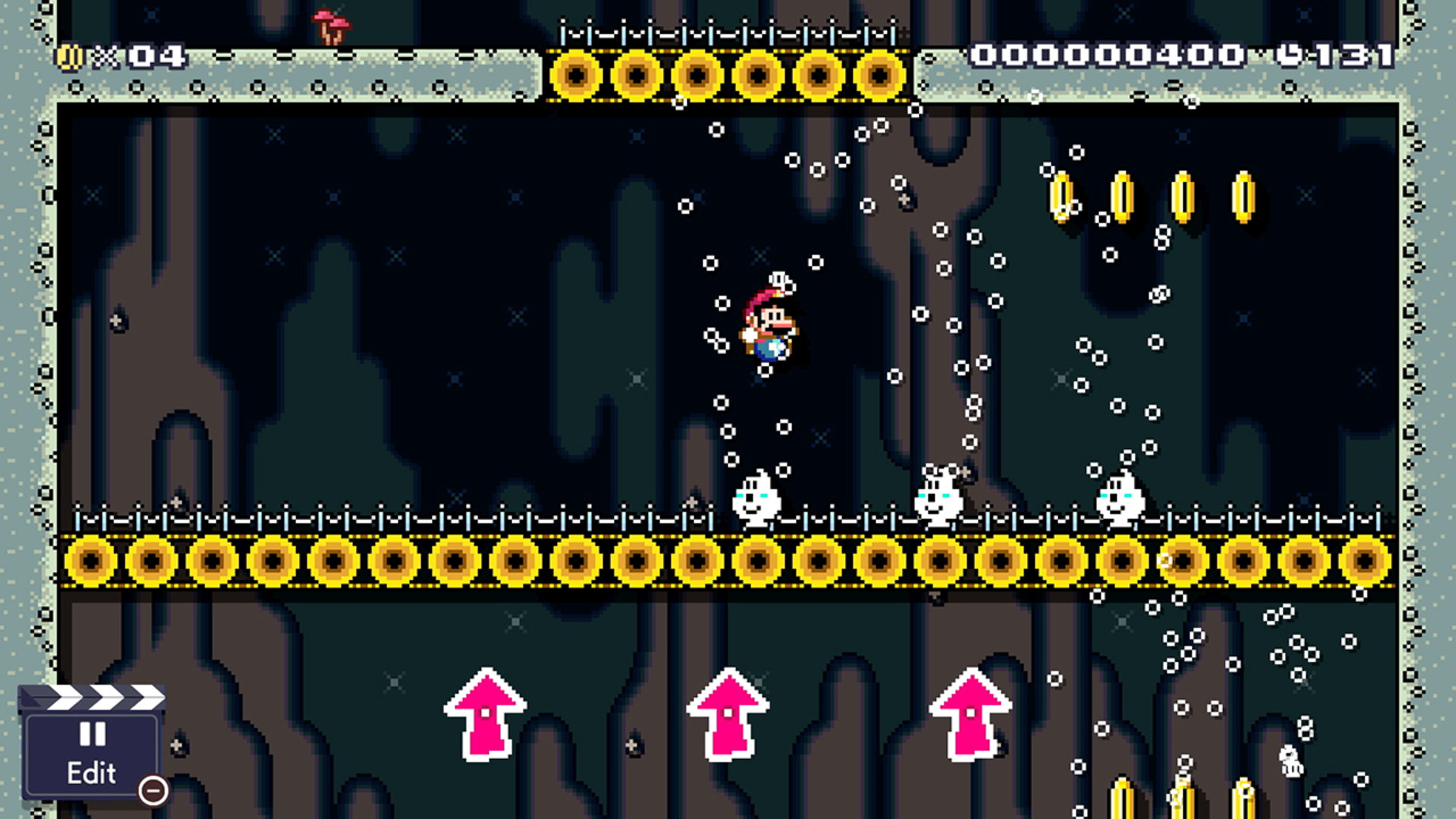
While not strictly coding, Mario Maker 2 is introducing tomorrow’s developers to level design, difficulty metrics, iterative development, and AB testing, all through its core gameplay mechanics. What’s more, thanks to the contributions of Chris Totten and Takashi Tezuka these kids can actually see how their own work fits within the design trends of today, and how to further innovate on those trends. These students are taking everything they’ve absorbed from video games up to now, reverse-engineering their experiences, and making their own ones better.
But beyond the shiny plastics of Nintendo, there are independent experiences and elements of independent gaming that are instilling a love for computer science in our kids without anyone really realising. Kids have been modding Minecraft since the dawn of (their) time, dabbling in RPG Maker since they could understand what a skill tree was, and watching hilarious Garry’s Mod creations since YouTube’s first upload. They’re learning because they want to create, experiment and develop, and these games are teaching them to do just that.
Video games are the only entertainment medium with the power to teach in this way. Coding needs to be interactive, it needs to be entertaining yet challenging, and it needs to offer the space to create. Video games are, in their most basic structure, built around these three metrics. As we move toward a future workforce where computational thinking and programming will be so critical, it’s not just the next generation of game developers we’re training, it’s the next generation full-stop. Games like Mario Maker 2, RPG Maker and Garry’s Mod are all working to prime tomorrow’s developers and if I had these games as a child I might have been a little closer to them.