
Untitled Goose Game explores the intersection of indie and meme culture with honking results
How an indie game infiltrated the most prolific form of mainstream culture: the meme.

Untitled Goose Game was always going to make a splash. In a particularly creative year in indie gaming, a game about a goose harassing a quintessentially English village was going to stand out but few likely expected it to reach BBC headlines, transfer into the mainstream and threaten to become a household name.
For a game that came from an indie developer like House House, its sudden runaway success raised questions about what facilitated its popularity, and why certain games flourish in the intersection between indie and mainstream culture. Sure, Untitled Goose Game is creative, pretty, challenging and intuitively designed, but so are other games, so what made this honking simulator so exciting for the non-indie audience?
We sat down with House House to discuss Untitled Goose Game’s wide appeal and what the Australia-based developer thought of it. Firstly, even House House themselves were surprised by the sheer scale of Untitled Goose Game’s release, despite having time to mull over the game in its development schedule. The studio was proud that its mainstream appeal was thanks to the game’s qualities, not sheer novelty:
“Although we were blown away by the sheer scale of the response to the game, in many ways it has actually been (to our relief) in line with what we were expecting/hoping for. We were worried that the game would come across as a kind of light novelty, or just a big chaotic mess, but it’s been very gratifying to see people appreciating the timing and craft of the jokes and mechanics we implemented in the game.”

Untitled Goose Game didn’t transfer to the mainstream consciousness simply because it was a fun game about a goose. The project was intuitive and understandable for everyone, not for its simplicity, but for its design. This moves against the Flappy Bird-esque games that have seen popularity based solely off incorporation into meme culture – Untitled Goose Game is hanging out at this intersection because it deserves to be. As House House explain, the game allowed the general populace to “appreciate the timing and craft of the […] mechanics.”
Of course, a game cannot be propelled by its qualities or initial appeal alone – it needs a community to flourish and, ultimately, survive. Much like the game’s best parts, elements of community engagement eschewed the usual hype cycle in favour of avenues to extend the game’s creativity through memes, art and social media-based discussion. It is unsurprising that the game is inspired by community efforts such as “Draw a Duck and Share Your Art” when you see how its designed lending itself so well to community engagement:
“The truly unexpected and delightful stuff is when something about the game spins off into a life of its own. We love “Draw a Duck and Share Your Art.” It has nothing to do with the game really except that it uses our goose as a base – it’s a very strange feeling to see the game seep out into wider culture in this way.”
The game managed to weave between the lanes of mainstream and indie by focusing on two aspects: delivering an original experience and facilitating discourse online. Not only was fan-based discussions important, but the way Untitled Goose Game embedded itself into meme culture to help elevate its stature was essential. Too many games, though, rely on fast-moving meme culture to stay afloat. Untitled Goose Game, however, had the quality to use this specific internet culture to augment its experience, not solely propel it.
It didn’t need to be played to be enjoyed, either. As a spectator experience, Untitled Goose Game could immediately translate itself to people unfamiliar with games or the indie scene, much like the studio’s first game, Push Me Pull You:
“The first game we made was a local-multiplayer sports game called Push Me Pull You – as a sport, it had to be instantly readable to its spectators even without prior knowledge of the game. This ingrained a broader design ethos in us as a studio – we love the idea that the games we make are as fun to watch as they are to play. This transferred well into Untitled Goose Game. Early in its development, we talked a lot about silent comedy, children’s TV/books – all these forms of media that rely heavily on being totally upfront and understandable quickly, often without any spoken language or complex narrative.”
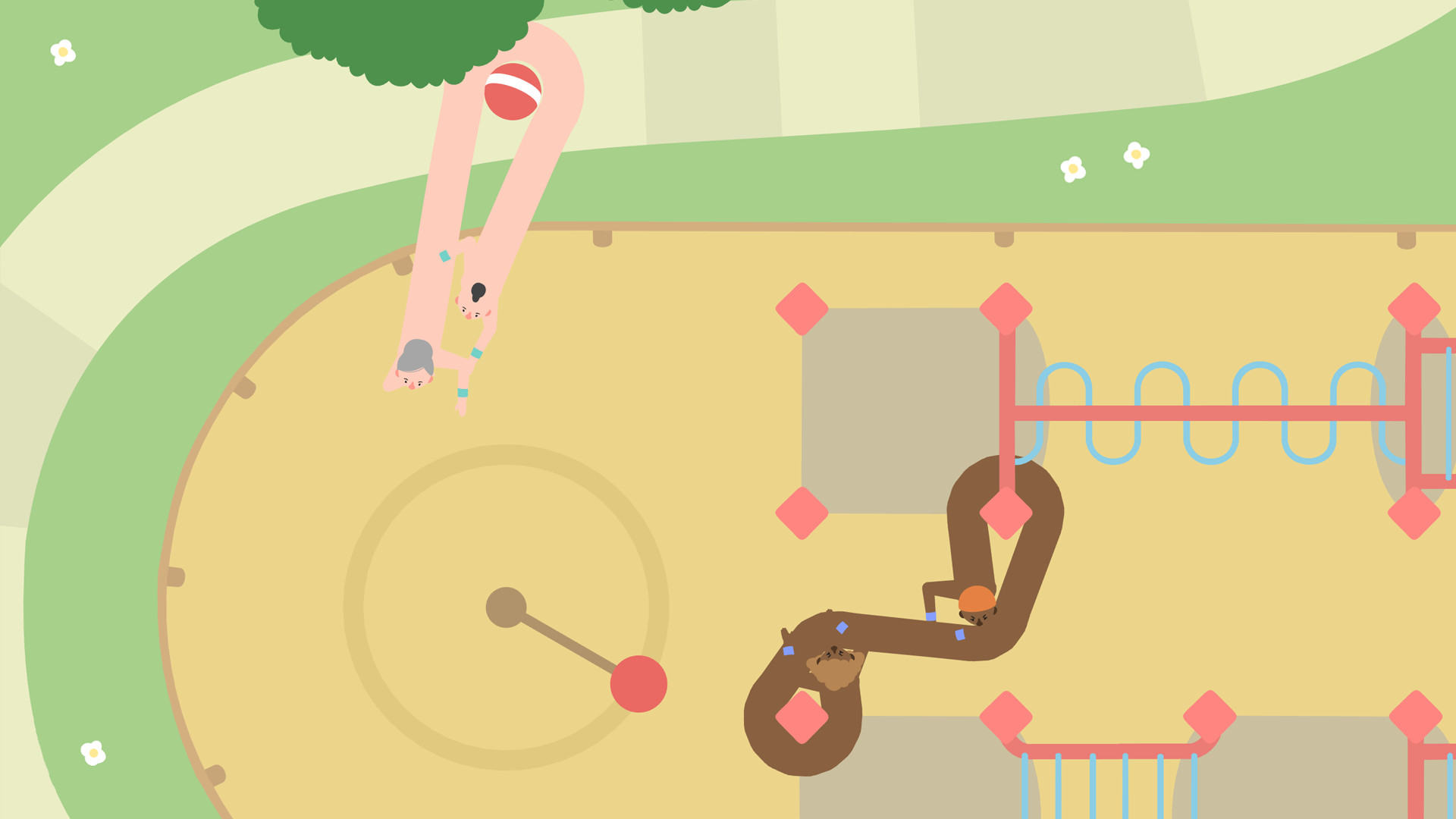
To enjoy Untitled Goose Game, onlookers didn’t need to be familiar with the language or subtext of games – it appealed to their base desires in the best way possible, entirely dedicated to being upfront, confident and funny. “It’s simple and readable and relatively universal in its humour – this isn’t to say that it was designed for maximum virality or wide homogenous appeal, but we were aiming to make something that would be approachable and interesting to people without needing a built-in set of cultural referents to enjoy,” House House explain.
As an industry, indie game creators and journalists are often surprised when a game translates itself to widespread appeal. So many games fail to make it close to the intersection between the mainstream and indie culture, and that’s fine. What Untitled Goose Game teaches us, though, is that appealing to everyone needn’t be wholly reliant on latching onto meme culture. House House shows that going back to basics can simply mean reframing the qualities that made us so passionate about entertainment in the first place – fun, accessibility and communication.