

Solasta: Crown of the Magister Review
Last year saw a spike in popularity for Dungeons & Dragons; it’s no surprise that when faced with a pandemic and forced to socially distance, people found connection and escapism in this staple fantasy tabletop RPG. It’s a system so popular that its impact is equally felt in video games, inspiring classic titles like Baldur’s Gate, Neverwinter Nights, and Divinity 2: The Original Sin.
Enter Tactical Adventures’ Solasta: Crown of the Magister, the latest in this long line of games inspired by the tabletop RPG. This turn-based tactics RPG is based around Dungeons & Dragons SRD 5.1 ruleset, and includes many of the system’s signature mechanics, such as rolling for initiative, opportunity attacks, and spellcasting. In Solasta, you’ll also roll for hit and critical chance in combat, as well as a whole variety of skill checks. But where Solasta shines is in its strategic turn-based combat, and its beautiful scenery and map design.
In each campaign, you choose four characters to journey to Caer Cyflin, a city thriving due to its newly opened passage to the badlands: an area blighted by Elven cataclysm, but filled with mysterious treasures guarded by fearsome monsters. It’s a fairly typical setting that doesn’t stray too far from what D&D players are used to, though it does feel a little like fantasy cheese at times, with characters cracking some pretty bad jokes and just generally fulfilling the D&D adventurer stereotypes.
D&D adventuring
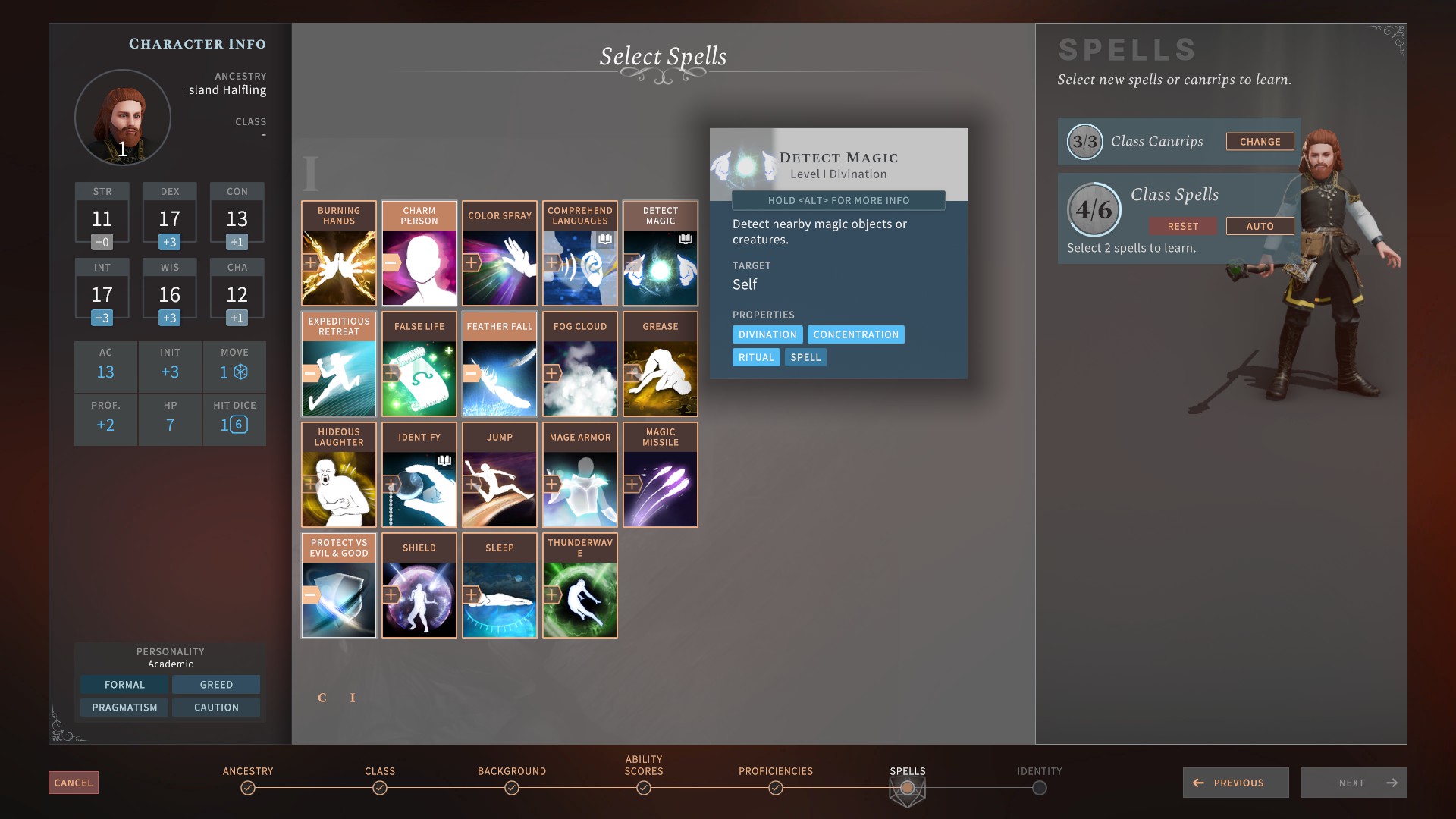
You can build this party with pre-made characters, or go the full nine yards and create them using Solasta’s in-depth system. Here you’ll choose race, class, background, personality, abilities, and all of that other lovely tabletop RPG goodness. I had a really fun time assembling my entire band of adventurers, and you can even write a little backstory for them if the mood strikes you.
While I’m not a massive D&D fan due to how heavily stat-based the system is, I was curious to see how it would manifest in Solasta. Honestly, I was pleasantly surprised by how much I enjoyed it. Sure, it can be a little cheesy at times, and the central plotline isn’t massively engaging, but I found those things were just a setup for Solasta’s excellent areas and battles.
The maps are absolutely gorgeous, as they feature a verticality that compliments the turn-based tactics combat. You may suddenly find yourself ambushed by goblins who drop from the cliffs around you, or have to fight lizardmen climbing on the walls and encroaching from all sides. With maps presented in this manner, these battles really tap into the dungeon-crawling atmosphere of being beset on all sides by monsters.
What helps these conflicts feel seamless is Solasta’s smooth implementation of D&D mechanics, auto-rolling dice for you everytime you need it. Whether it’s an initiative check entering combat or a history check examining an Elven statue, the auto-rolls feel seamless and far less disruptive than the “Is this a roll?” moments that you so often get while playing tabletop RPGs in person.
Combat depth
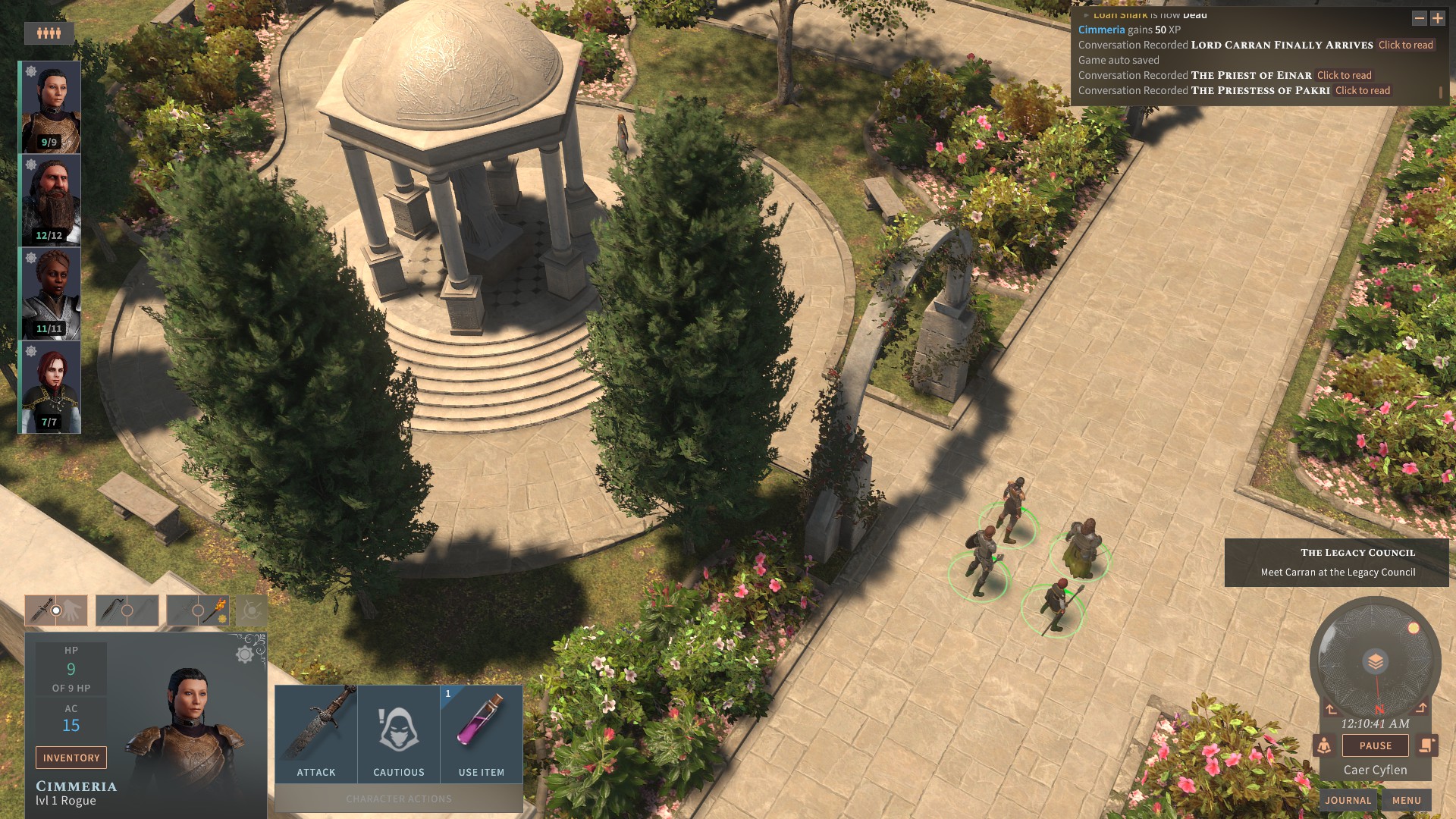
Solasta: Crown of the Magister has one campaign currently, but it lasts for around 40 hours, and like many other D&D video games, also features a dungeon maker. It’s definitely a fun and surprisingly expansive way of adding replayability to the game, as you take advantage of Solasta’s deep combat system to create and publish new scenarios for others to take a run at.
On the whole, Solasta is a solid D&D simulator. Though its narrative is nothing to write home about, and the game can be a tad buggy at times, it has actually made me reconsider playing D&D as it showcases the system’s strengths so effectively. Hopefully Tactical Adventures will add more campaigns to Solasta over time, allowing players to use the same characters in various scenarios, mix them together to create party combos, and just generally become invested in them.