
Here’s Why Google Stadia Needs Indies To Survive
Reinventing the buffering wheel, and then fixing it.

Google Stadia launched to less than favourable critiques, not only from its journalistic audience but from the very gamers who had bought into its luxury Premiere and Founders Pack pre-order kits. It’s difficult to define exactly what went wrong with the big Stadia reveal, from troubling communication errors from Google themselves all the way to the lack of promised features rolling out on day one.
It’s not just the early days technology, or even the fact that this really should have been marketed fairly as a beta that sent Stadia into the world with such a rocky start, but, as with all console launches that fall flat in their first steps out the gate, Stadia’s launch line up just wasn’t what it needed to be. And nobody seems to be placing as much emphasis on this aspect of Stadia’s slow uptake. This was a launch lineup that would have been stellar had the games on its roster been in any way new or even recent (ie the games that those willing enough to be early adopters haven’t all already played). That said, Google’s not going to bag a GTA 6 exclusive for launch any time soon. In other words, it’s time for the indies to be sent into the ring.
The problem with Stadia’s launch line up wasn’t so much that it didn’t represent a high enough caliber of games; they certainly pulled it out the bag with the best releases 2018 had to offer. It’s that there was no hunger, or even why-not curiosity, to play these been-there-done-that titles on a system that costs at least the price of a (very specific and top of the range) Chromecast Ultra and a fairly expensive controller, in a lower quality than they could be played at on other systems (if you don’t have unlimited data and a high-speed connection), and at a higher price tag. Stadia wasn’t offering these games, it was offering its system – that’s a bold move for an industry newcomer, however world-dominating, and an even bolder move when your system is unfinished.
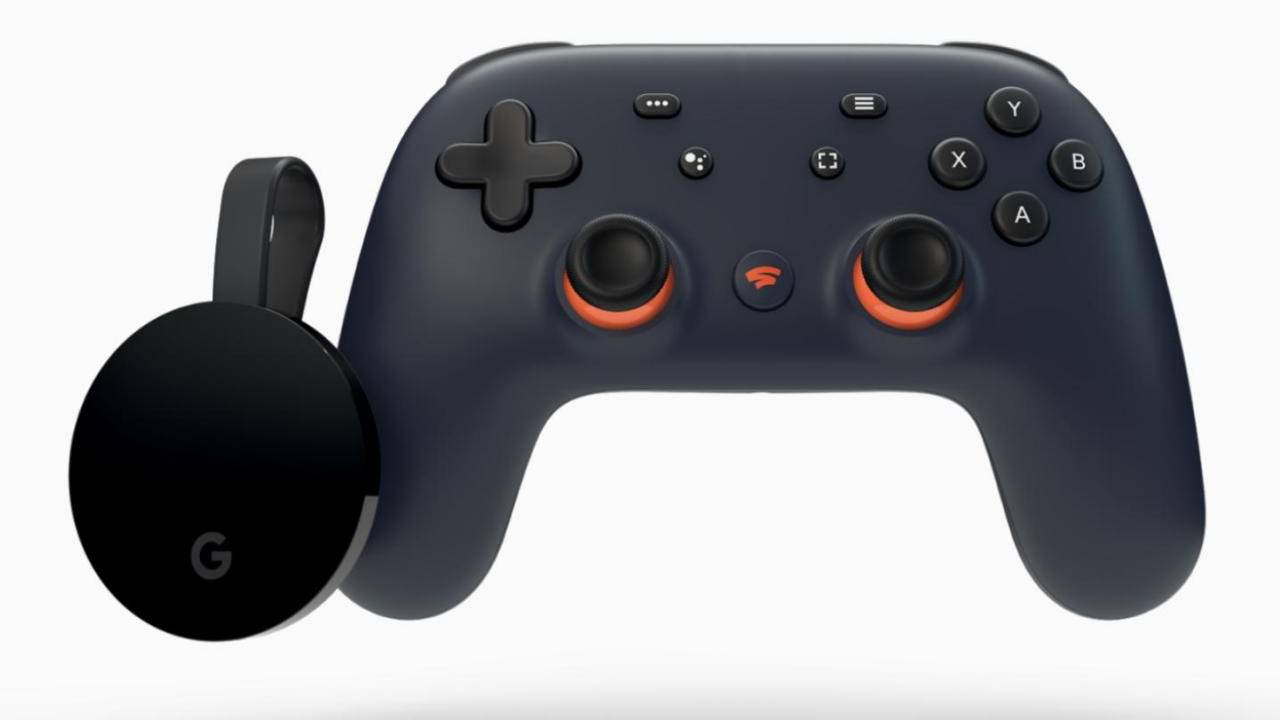
Enter the indies.
We get it, Stadia wanted to enter the world with a bang. With the big names in lights behind it and the assured support of major game development studios. But that bang has left them in a black hole, and one only indies can dig them out of. Once indies are let onto the system, many of the issues with Stadia’s original game lineup disappear. Full price games I already own on other systems? The average indie game goes for a maximum of £30, at the Triple-I level – realistically you’re going to be paying a tenner for each indie game on Stadia. Prohibitively high data usage? Yeah, if you’re streaming Red Dead Redemption 2 at 4K in multiplayer you’re not going to be staying on the economical side of your broadband provider’s books.
I don’t play indies for 4K, I don’t play indies for massive game worlds that will cut my upload and download speeds at the knees, I don’t play indies for 100-player strong battle royale arenas. I play indies for what they are: often smaller, less demanding games that do simple things bloody well. No exclusives? Well, there’s one exclusive – and guess what. It’s indie. You get where I’m going with this. Indies need a platform and Stadia is a platform desperately in need of games.

“Nobody’s going to shell out for Stadia and just play indie games. Google needs to appeal to the masses.”
You’re not wrong there. Sure, Stadia needs its Triple-A golden children to bring millions of players online, but when you’ve already completed Tomb Raider several times over you don’t want to pay for it again just to test how badly it will look when streamed on your 10Mbps broadband. Google Stadia needs to get indie creators on-side to fill that gap of curiosity. In premise, Stadia is a wonderful leap forwards, and it’s come at just the right time.
If 3G reinvented the way we browse the internet and 4G changed how we listen to music and consume content, then 5G will forever alter the way we play our games. It just needs those easy hooks to get people onto its Chrome server. It needs the £5.99 what-if games players will grab to test its system, and hopefully discover an indie gem along the way.
This is a markedly new industry, and most people aren’t going to take their first steps into it wallet first. Stadia needs indies to forge its mainstream future. Indies, on the other hand, are always champing at the bit to get their hands on new technologies to innovate with, to create new experiences, and mould into new formats the way only they can. Indies need Stadia to give them a shot on the 5G mega-highway. Apple did it with its Arcade. Google just needs to step up to the plate if it wants to survive beyond its early adopters.